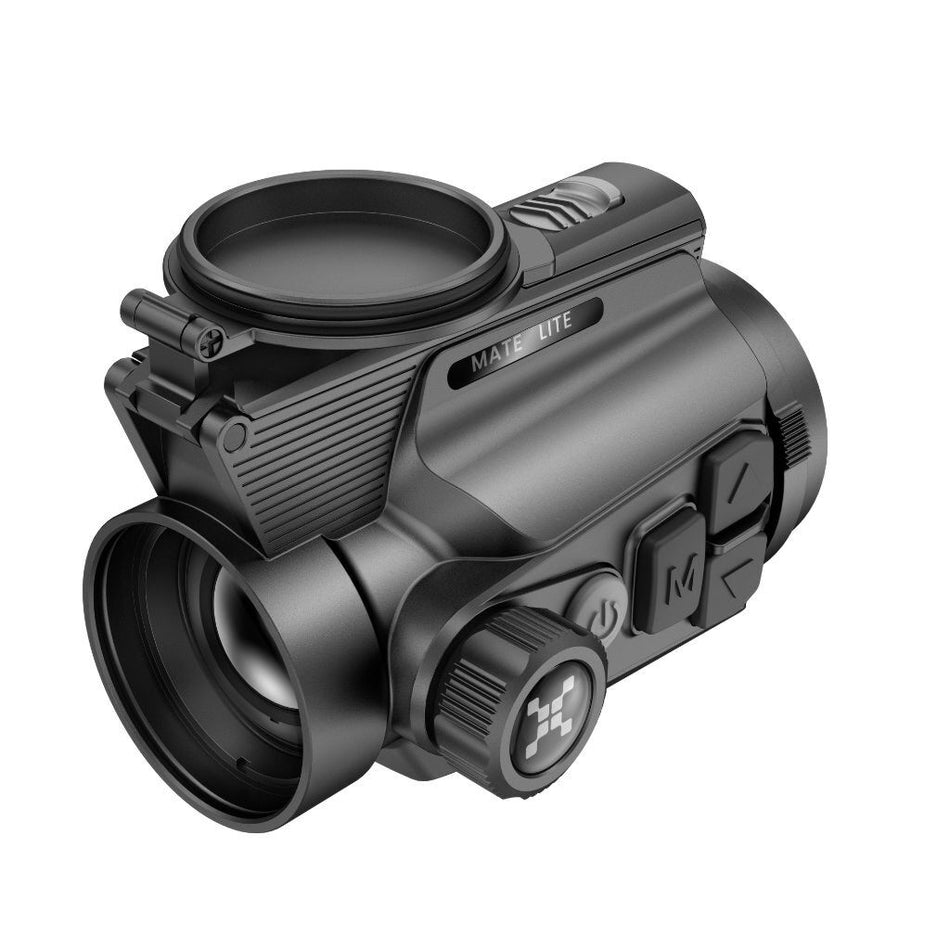
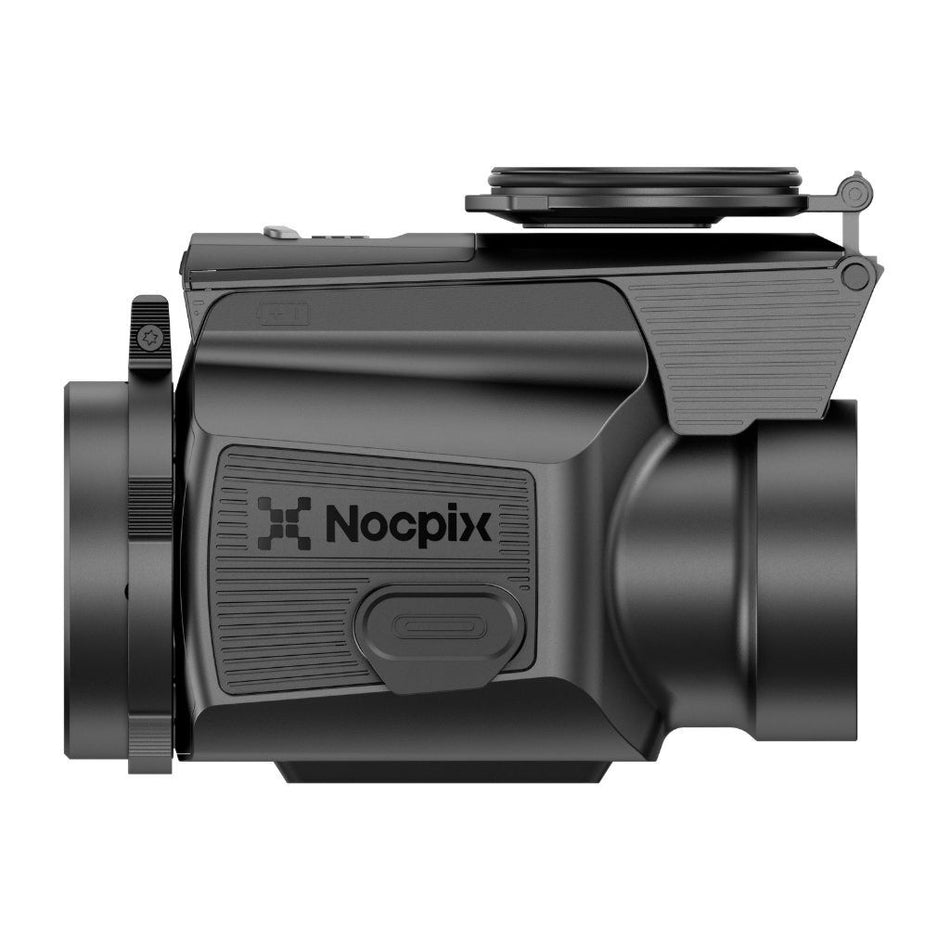
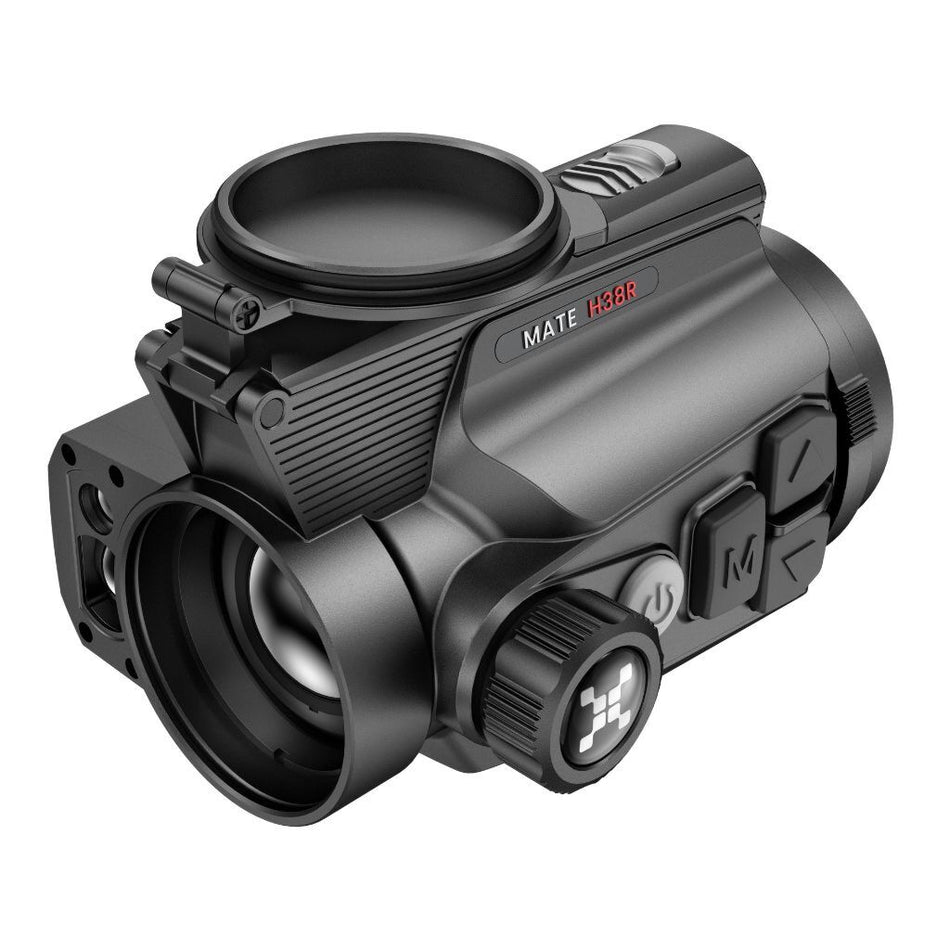
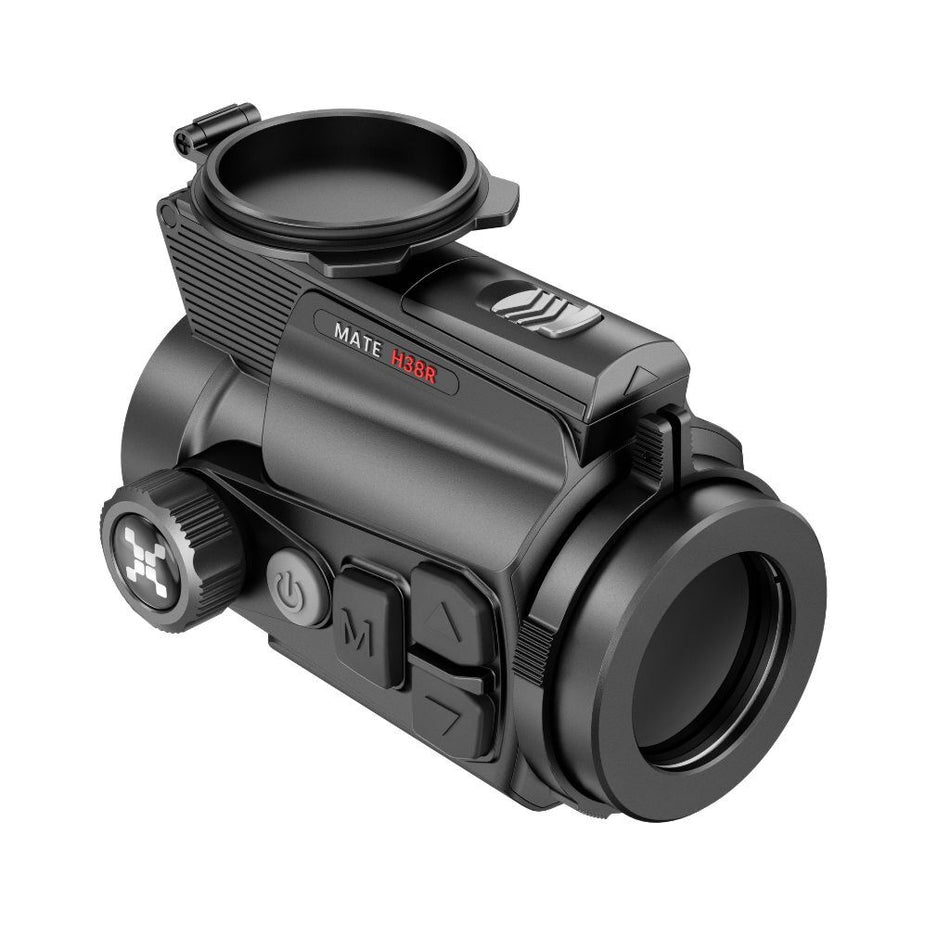
Collection: Thermal clip-ons

Thermal Clip-On: Turn Your Day Optic Into the Ultimate Night Tool 🌙🎯

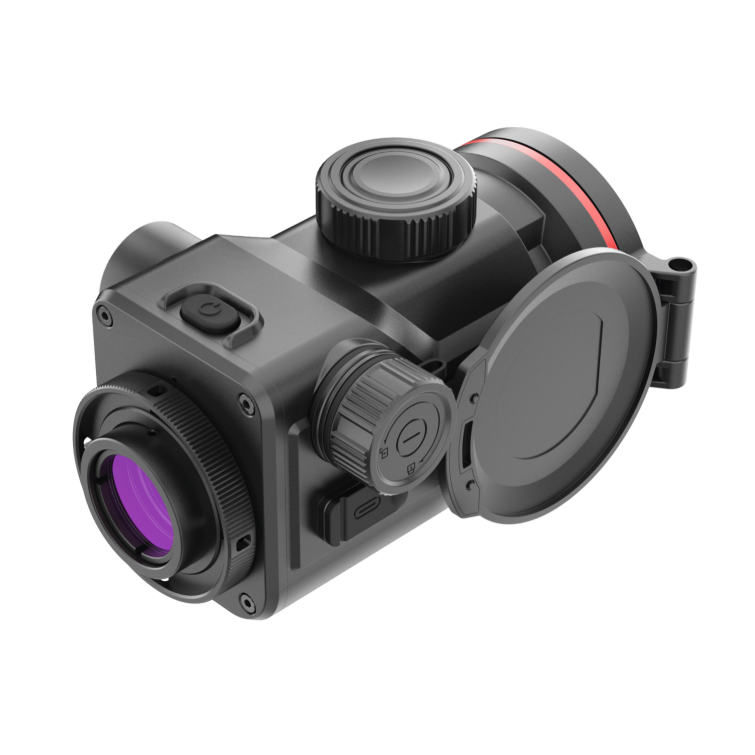
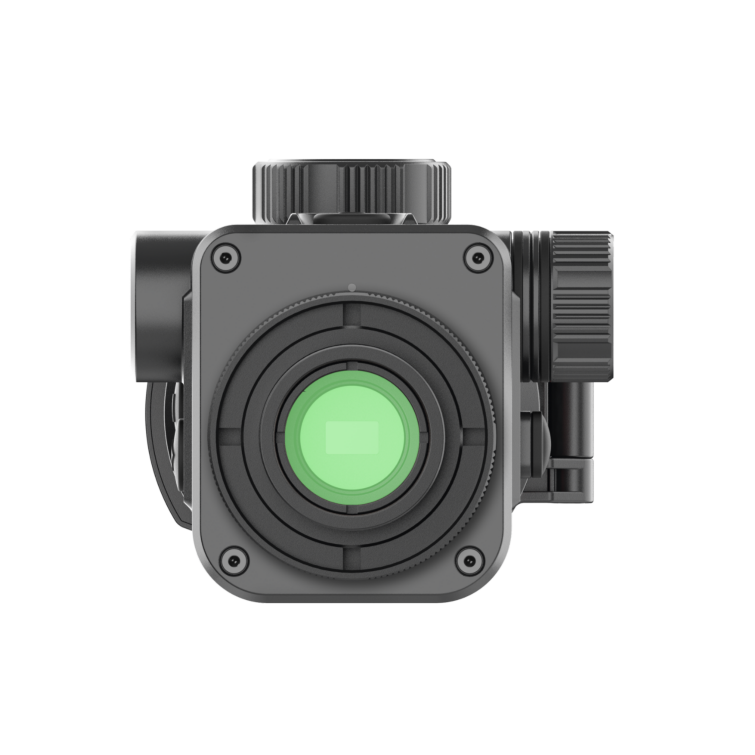
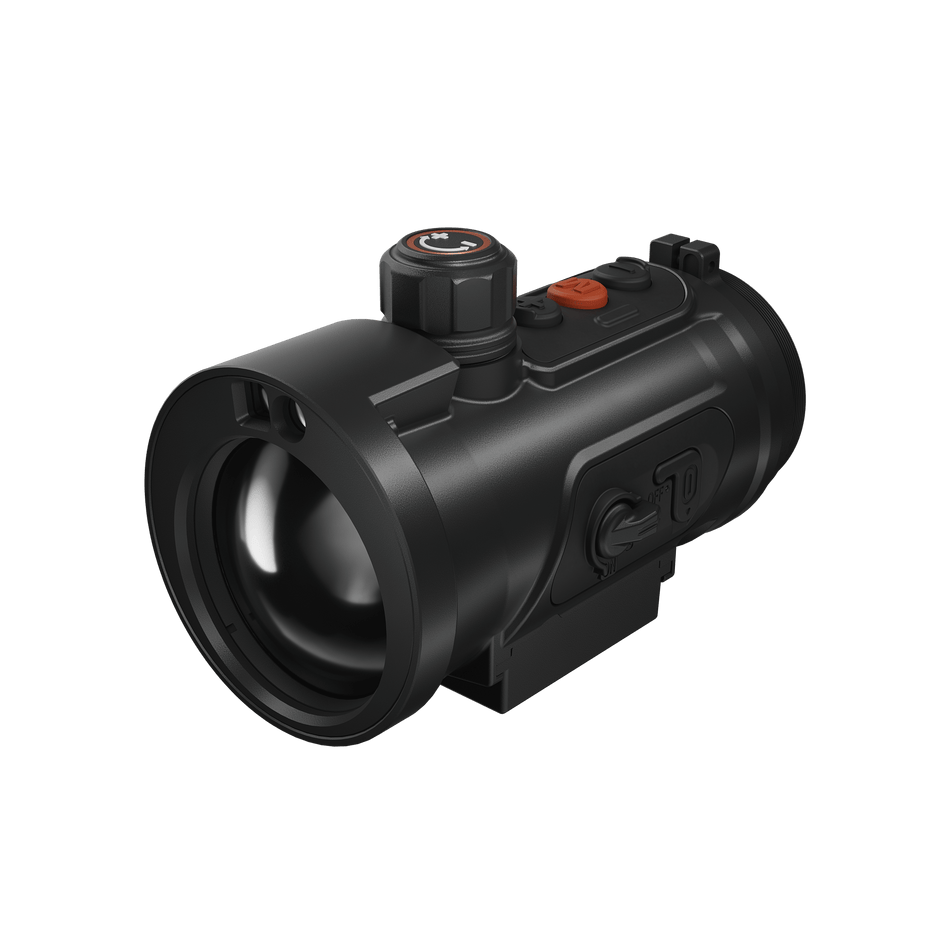
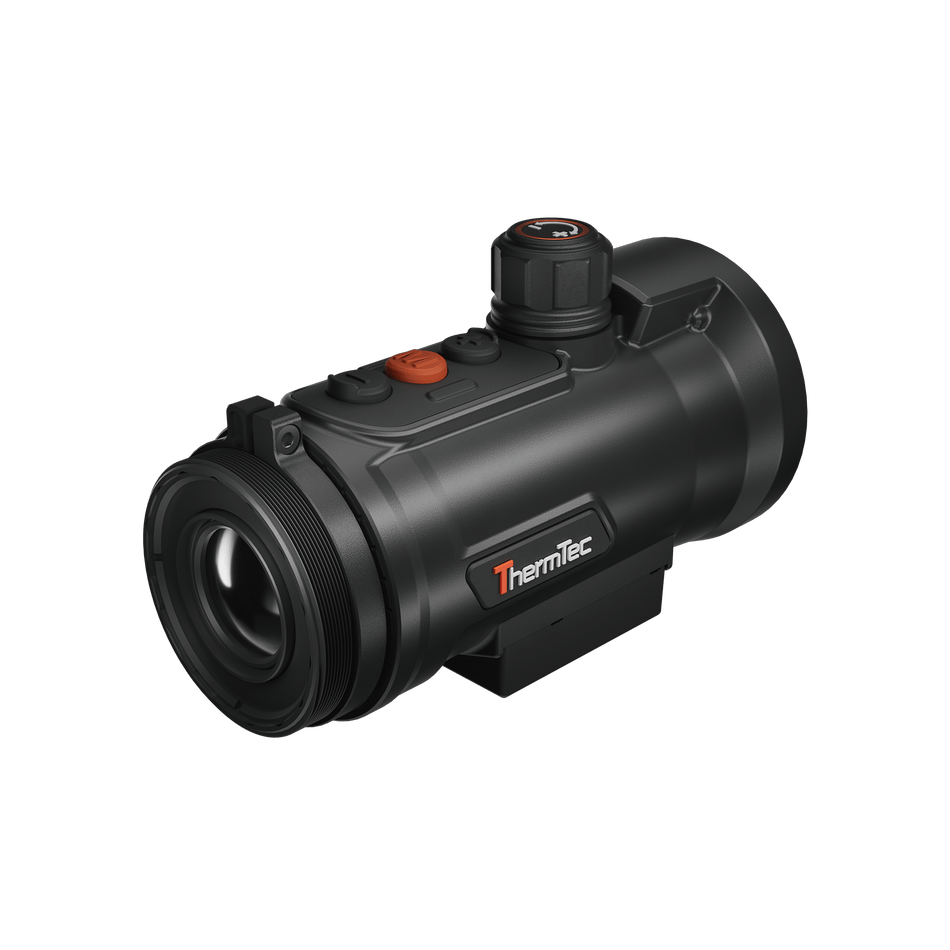
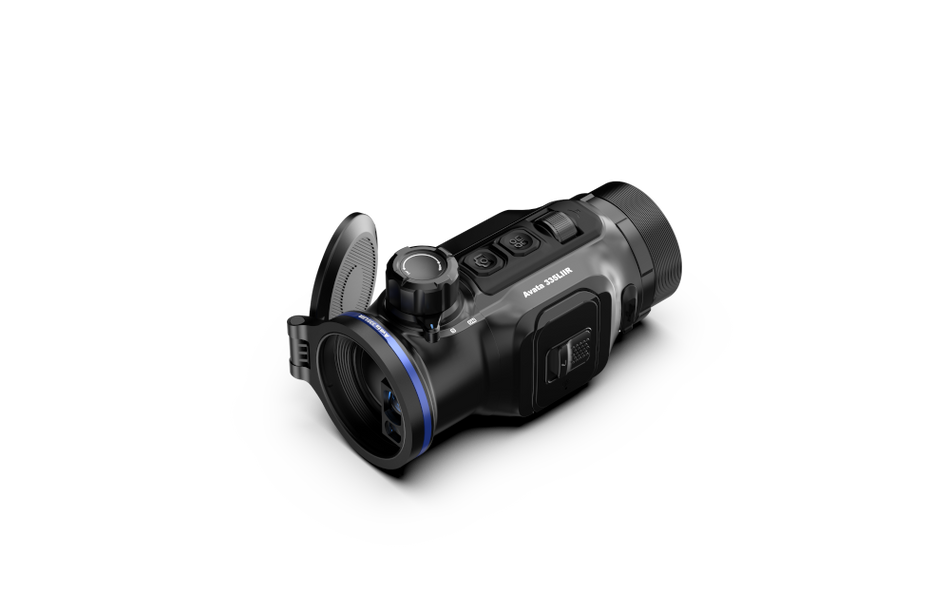
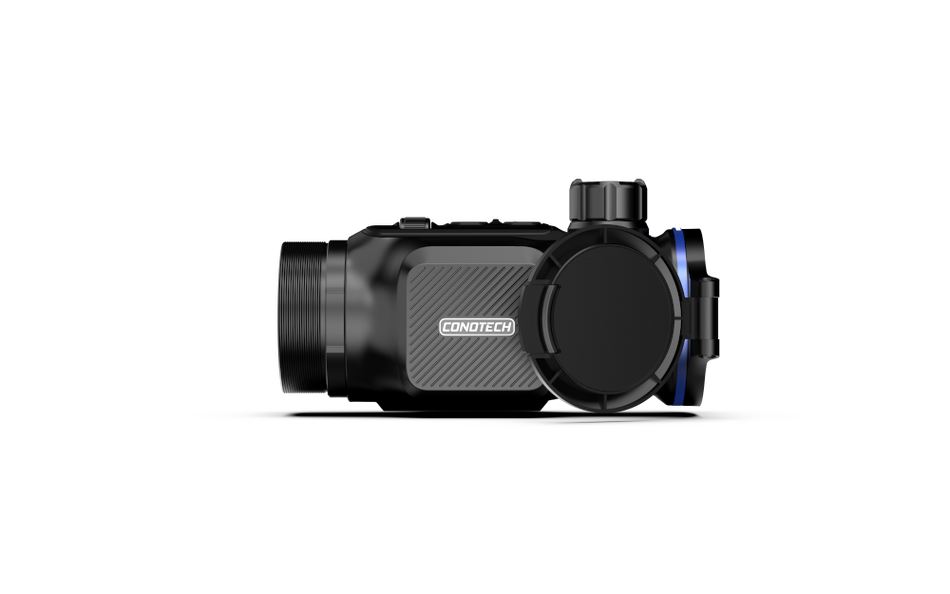
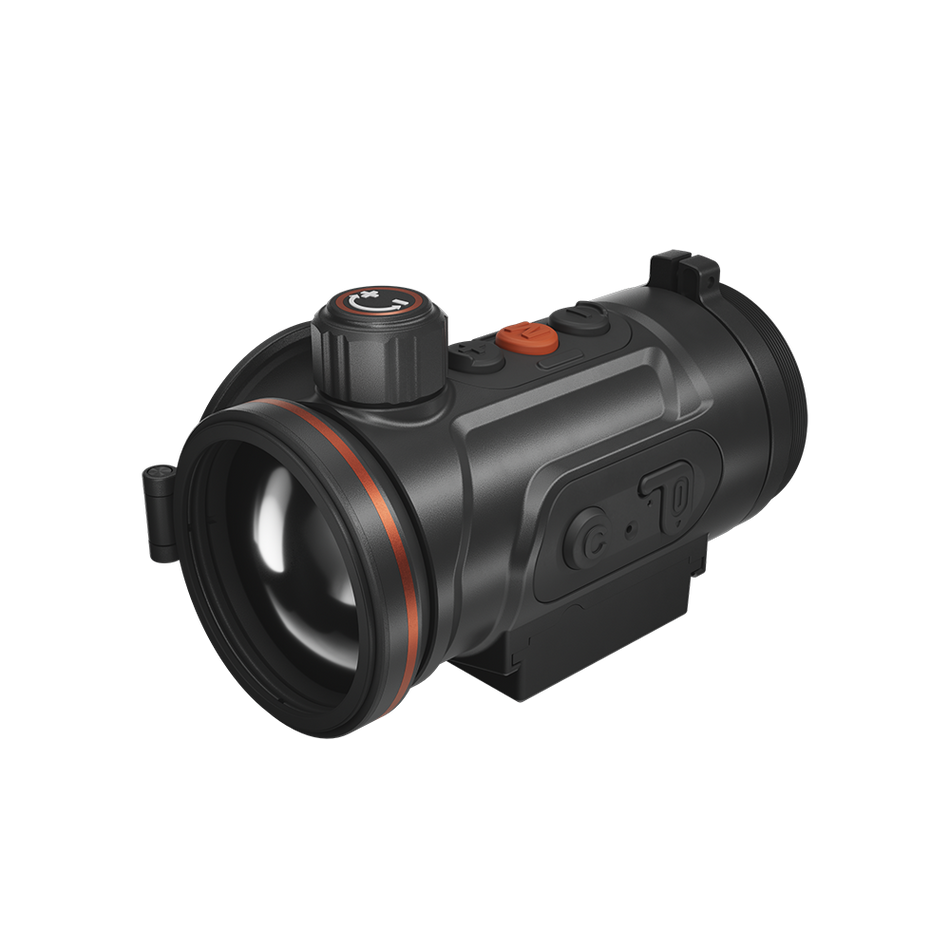
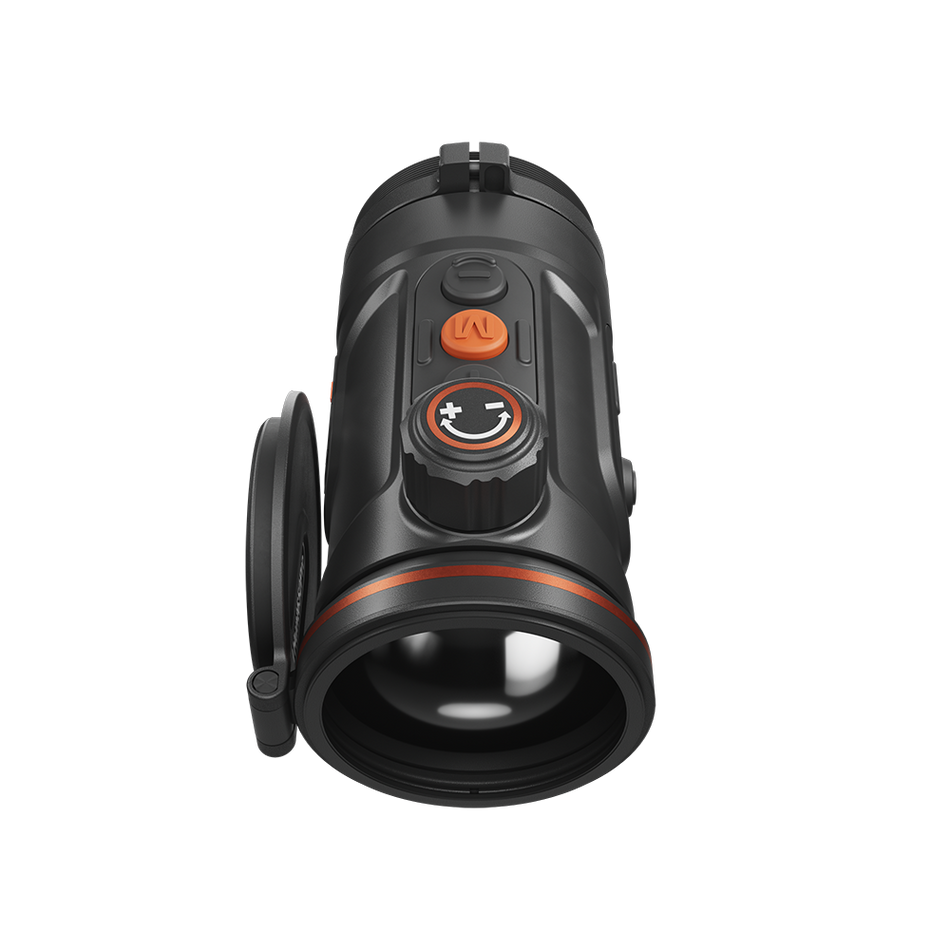
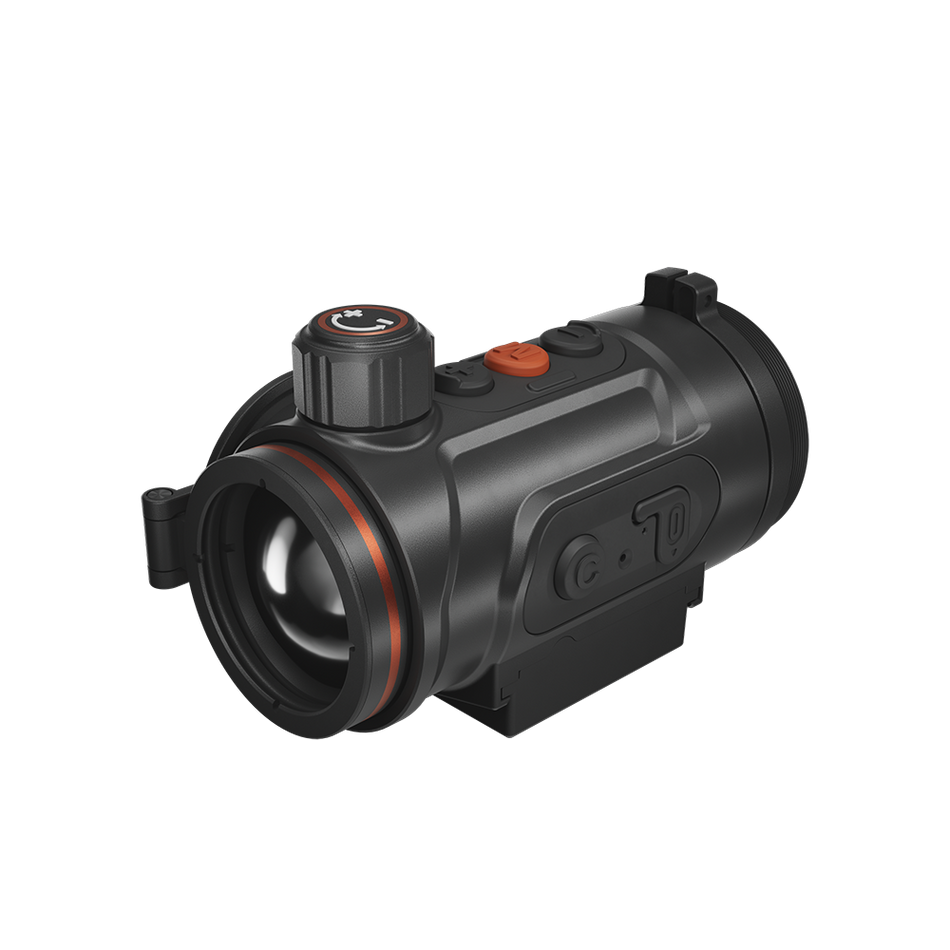
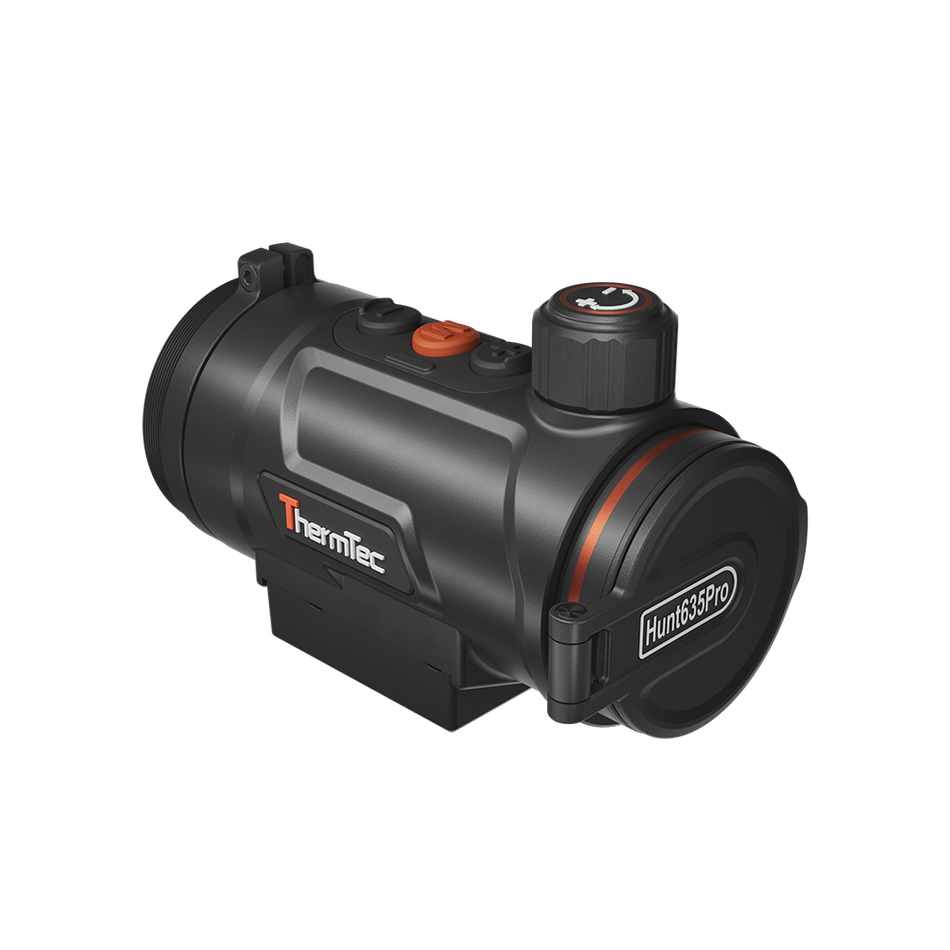
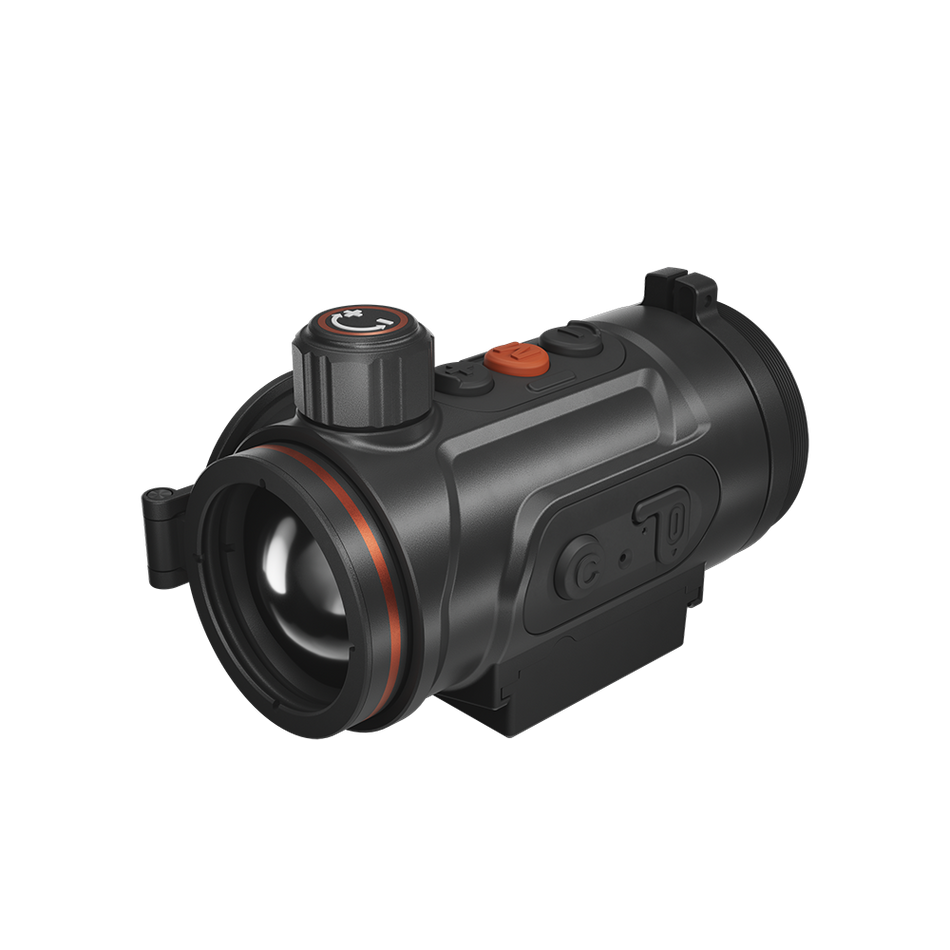
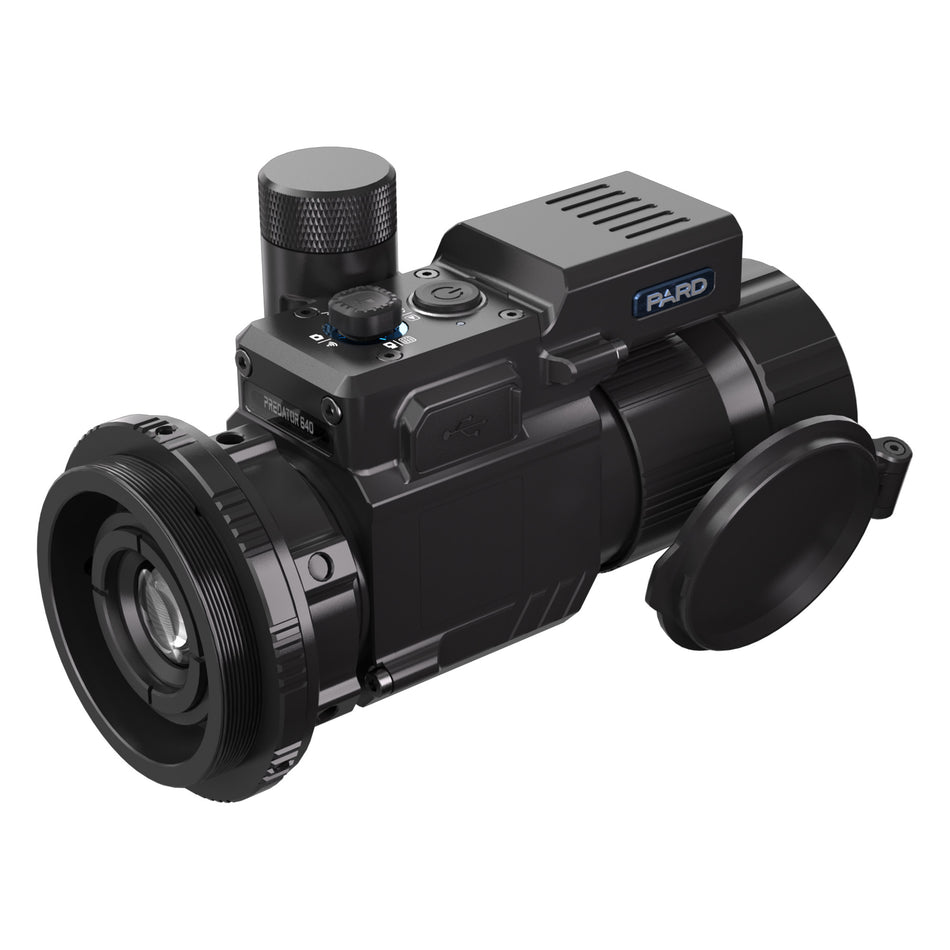
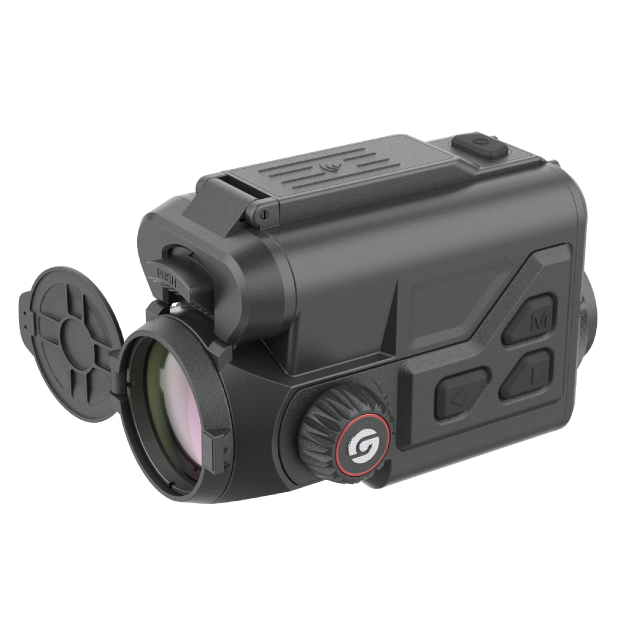
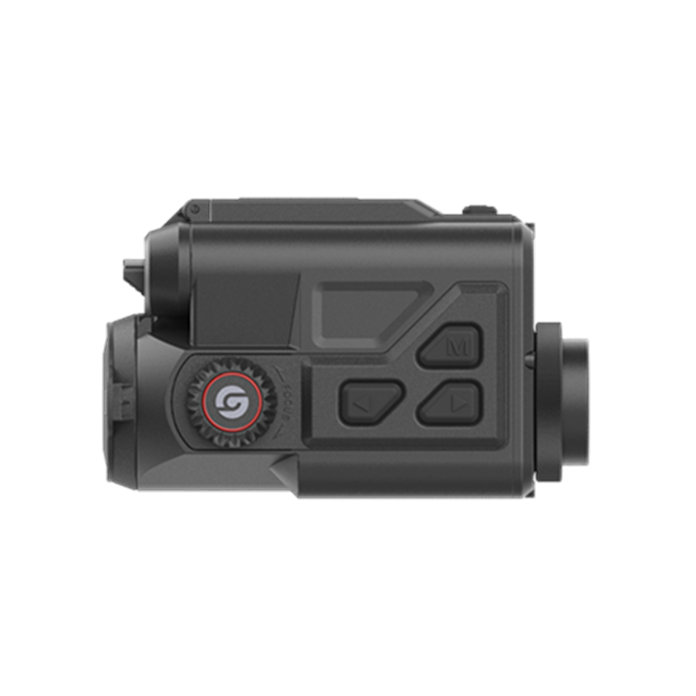
Welcome to the category of thermal clip-ons, the bridge between your favorite daytime scope and the power of the most advanced thermal imaging. At Night Vision and Thermal, we know darkness should not be a limitation. That’s why we have selected the best thermal attachments on the market, designed to revolutionize your gear without sacrificing the precision or familiarity of your usual scope. A thermal clip-on lets you detect, identify, and take down your targets with total confidence, turning night into your new playground.

Why Choose a Thermal Attachment? Versatility in Your Hands 🤝

Unlike traditional thermal scopes, a clip-on installs quickly and easily on the front of your daytime scope. This smart solution offers key advantages that will give you a crucial edge in the field:

  • Versatility and Savings: Turn a single daytime scope into a hybrid setup that works for both day and night. You do not need to buy two scopes or mount a second rifle for your nighttime adventures.
  • Intuitive Handling: There is no learning curve. You keep using your reticle and the magnification of your trusted scope, with added thermal clarity to see through darkness, fog, or brush.

How to Choose the Perfect Thermal Clip-On for You 🔍

As established professionals in the industry, we want you to make the best decision. Here we guide you on what to look for in a thermal imaging clip-on:

  • Sensor Resolution: Choose a sensor that fits your needs. A resolution of 384x288 is ideal for most hunts, while sensors at 640x512 offer a higher level of detail and sharpness, perfect for long-range identification.
  • Thermal Sensitivity (NETD): This is a critical factor. The lower the NETD value, the greater the device’s ability to detect temperature differences, which results in a sharper, more detailed image. A NETD below 35mK is good, but a value of <20mK or <15mK is exceptional.
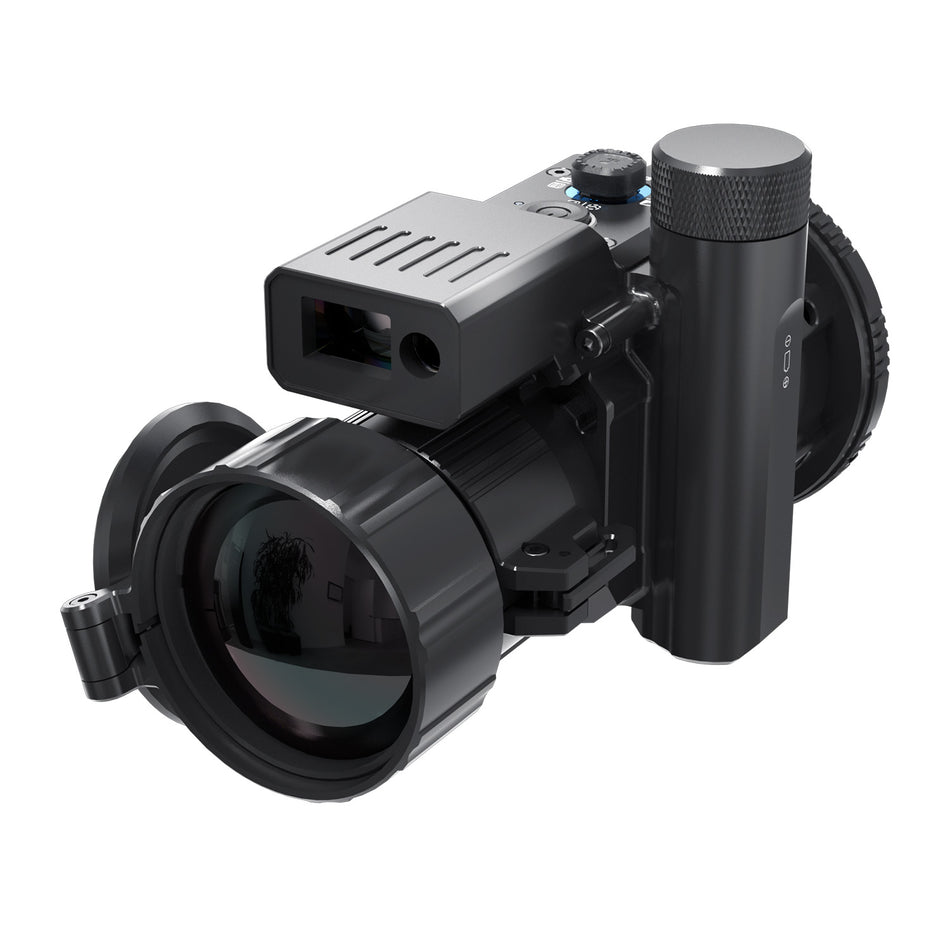
  • Additional Features: Consider models with built-in laser rangefinder for instant, accurate distance measurements, recoil-activated video recording (RAV) to capture your most memorable shots, or Wi-Fi connectivity to share the experience.

Confidence and Professionalism in Every Purchase ✅

At Night Vision and Thermal, we are not just simple product sellers. We are specialists in thermal and night vision. Every clip-on in our selection has been rigorously tested to ensure its quality and reliability. When you buy from us, you are not only purchasing a product, but also getting the support of a team of experts who will guide you with unmatched after-sales service.

Explore our range of thermal attachments and find the perfect gear to dominate the night with unprecedented precision.


Filter products

56 Products

Thermal clip-ons

Cómo elegir un clip-on térmico

  • Resolución del sensor: 384 o 400 píxeles para distancias de tiro habituales; 640 para identificar con más detalle y más campo de visión.
  • Lente y aumentos de tu visor: el clip-on funciona mejor con visores de pocos aumentos (hasta 3-4x). Con más aumentos, la imagen pierde nitidez.
  • Peso: cuanto más ligero, menos altera el equilibrio del rifle. El Guide Orion 635 CS es de los más ligeros con sensor 640.
  • Telémetro: los modelos LRF, como el Pixfra Taurus T435 LRF, miden la distancia al animal.
  • Uso como monocular: muchos clip-on, como los ThermTec Hunt 335 PRO, se pueden usar también como monocular de mano con un ocular.

Compatibilidad y adaptadores

Cada clip-on se monta con un anillo adaptador que depende del diámetro del objetivo y del ocular de tu visor. Dinos qué visor tienes y te indicamos el adaptador exacto. Si todavía no tienes visor, mira nuestros visores de caza con pocos aumentos.

Clip-on o visor térmico

Si usas el mismo rifle de día y de noche, el clip-on es más práctico: lo quitas al amanecer y sigues con tu visor de siempre. Si el rifle es solo para la noche, un visor térmico es más compacto y ligero.

Preguntas frecuentes

¿Hay que volver a poner a cero el rifle?

Con un clip-on bien montado, el punto de impacto apenas varía, porque el visor sigue siendo tu óptica. Aun así, recomendamos comprobarlo en el campo de tiro.

¿Clip-on térmico o clip-on nocturno?

El térmico detecta el calor en oscuridad total, con niebla o entre vegetación. El clip-on de visión nocturna es más económico, pero necesita iluminador infrarrojo y se ve peor con niebla.