187 Products


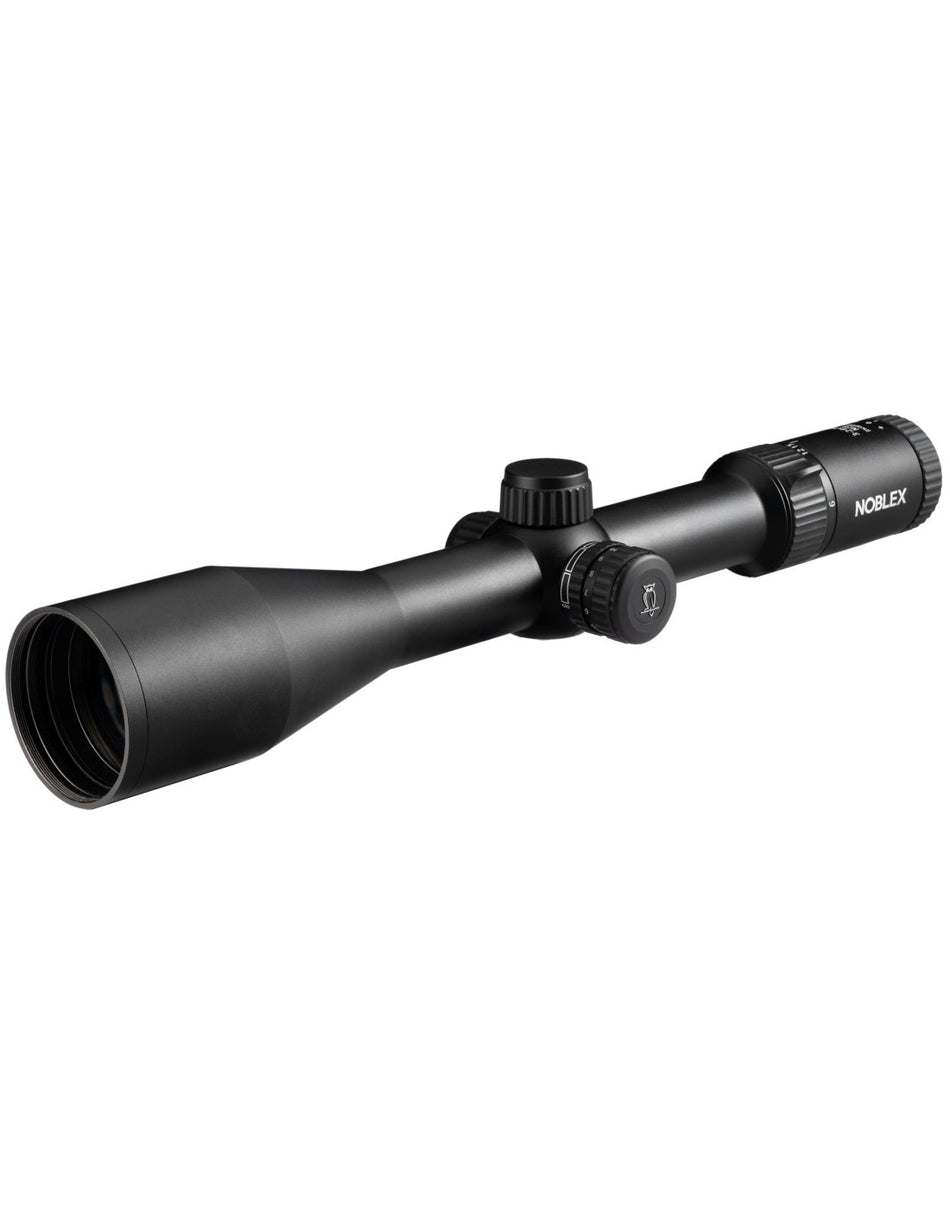
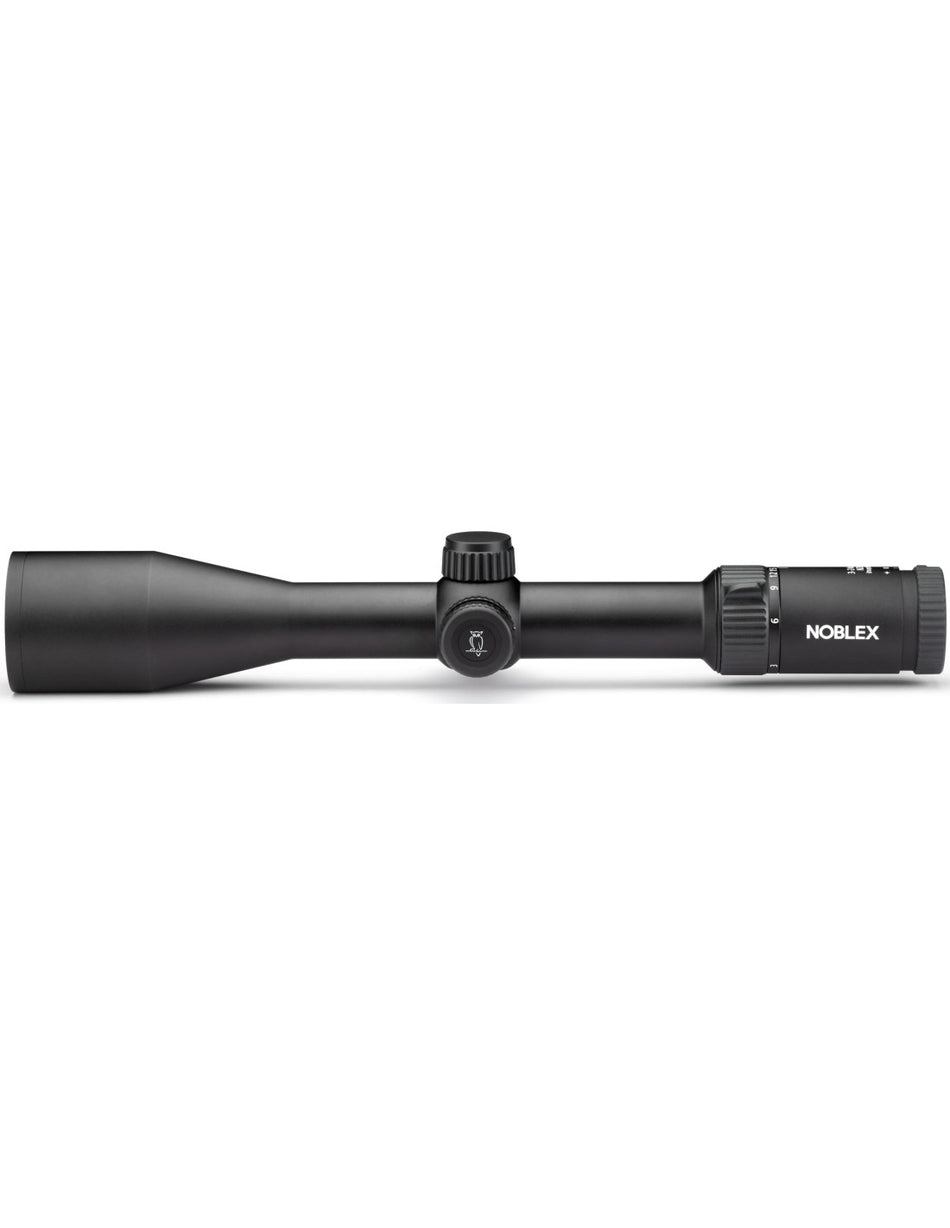
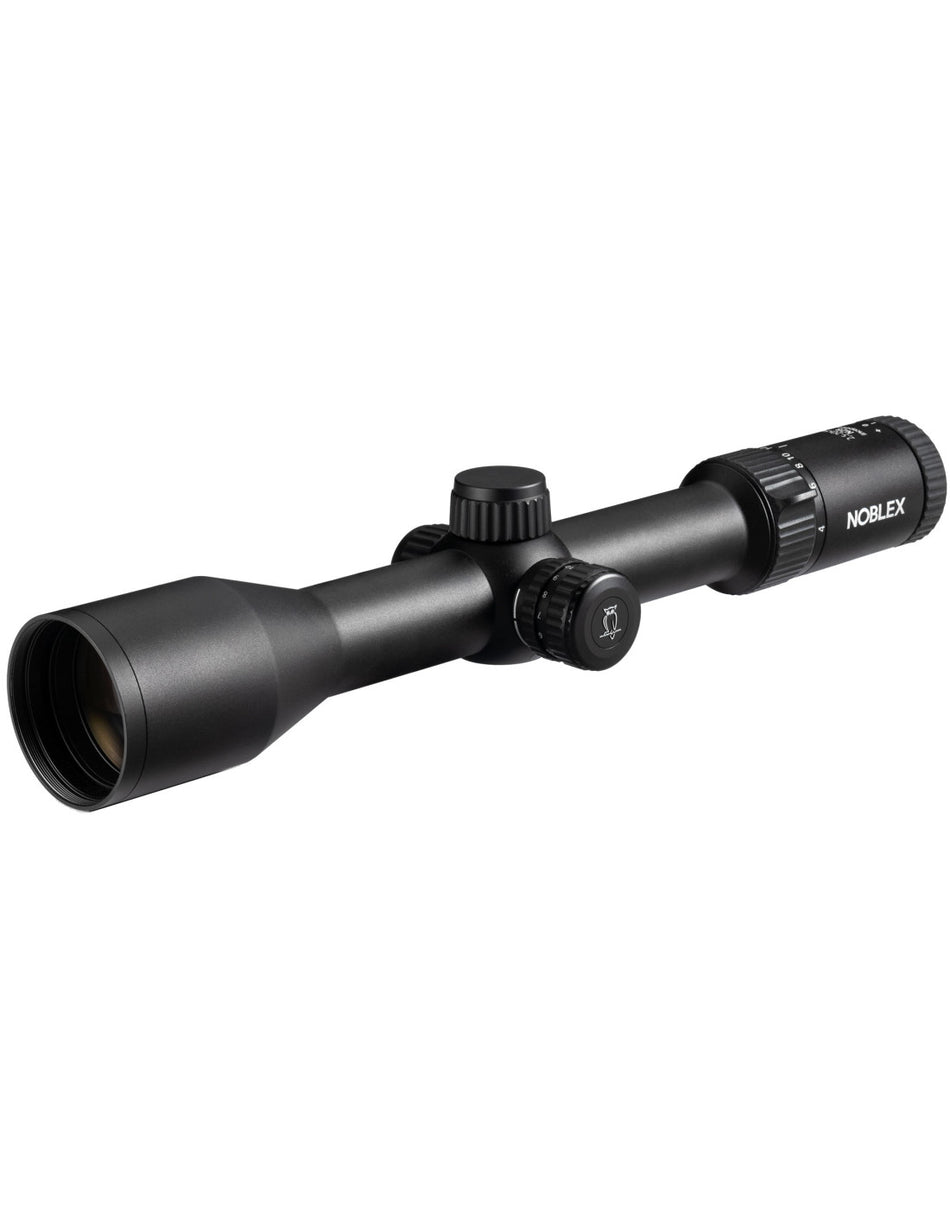
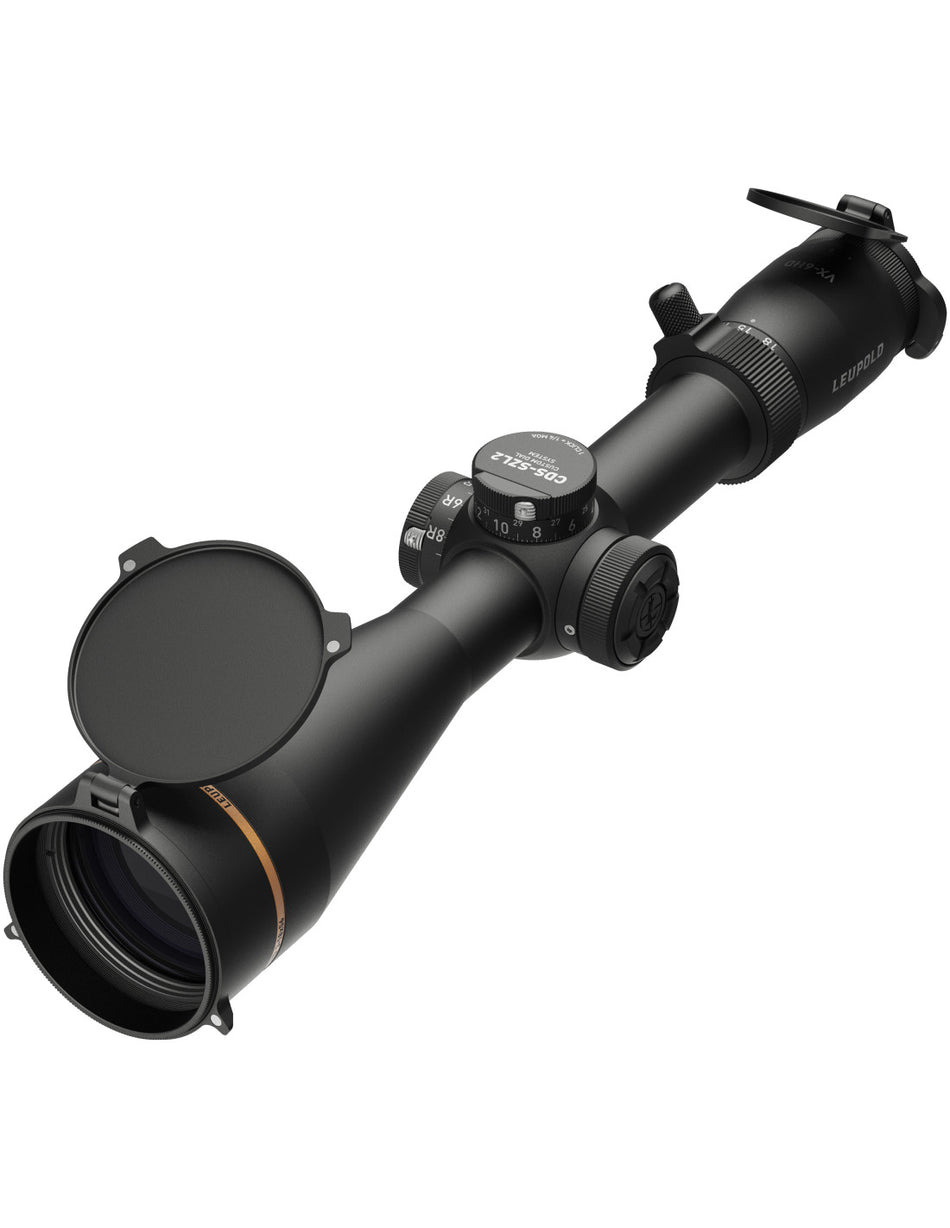
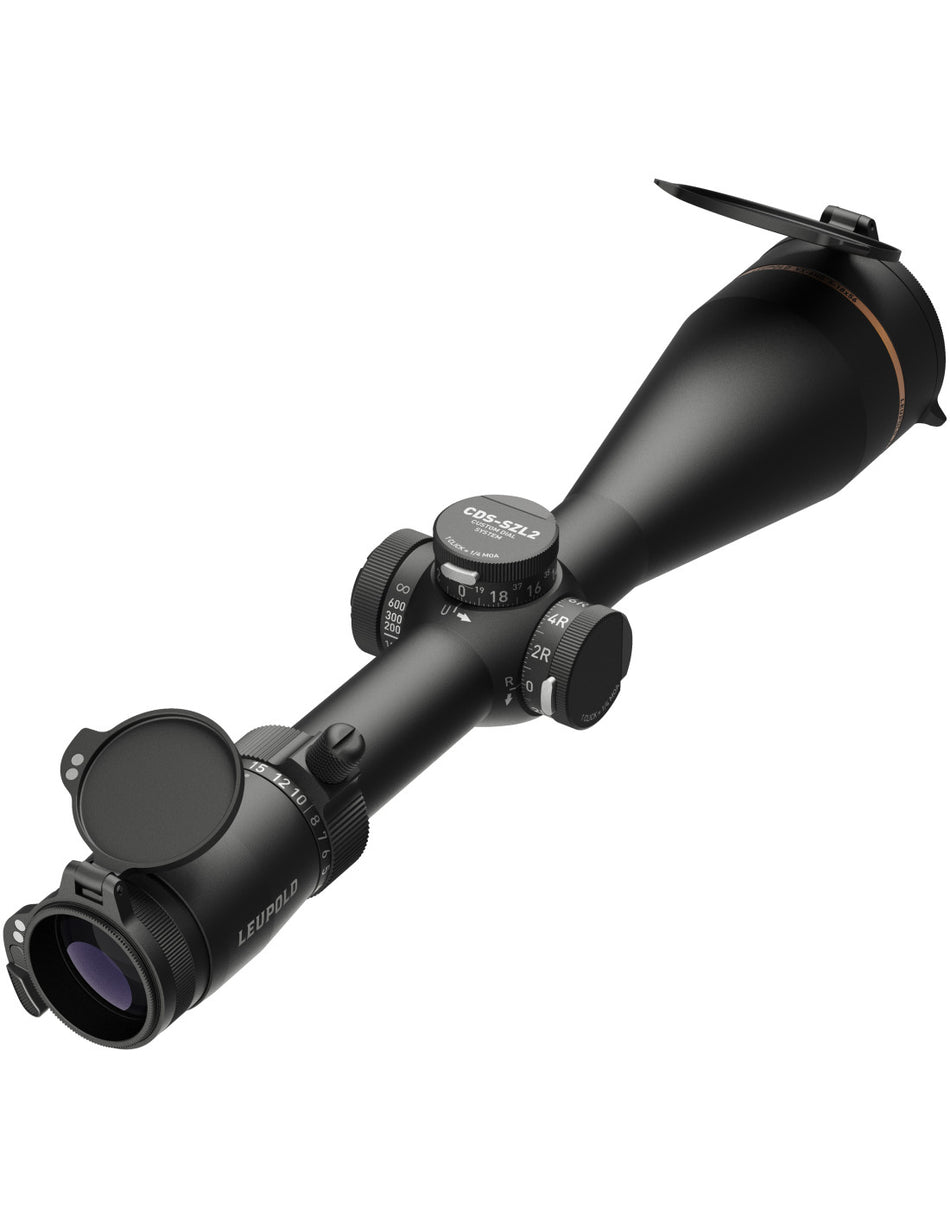
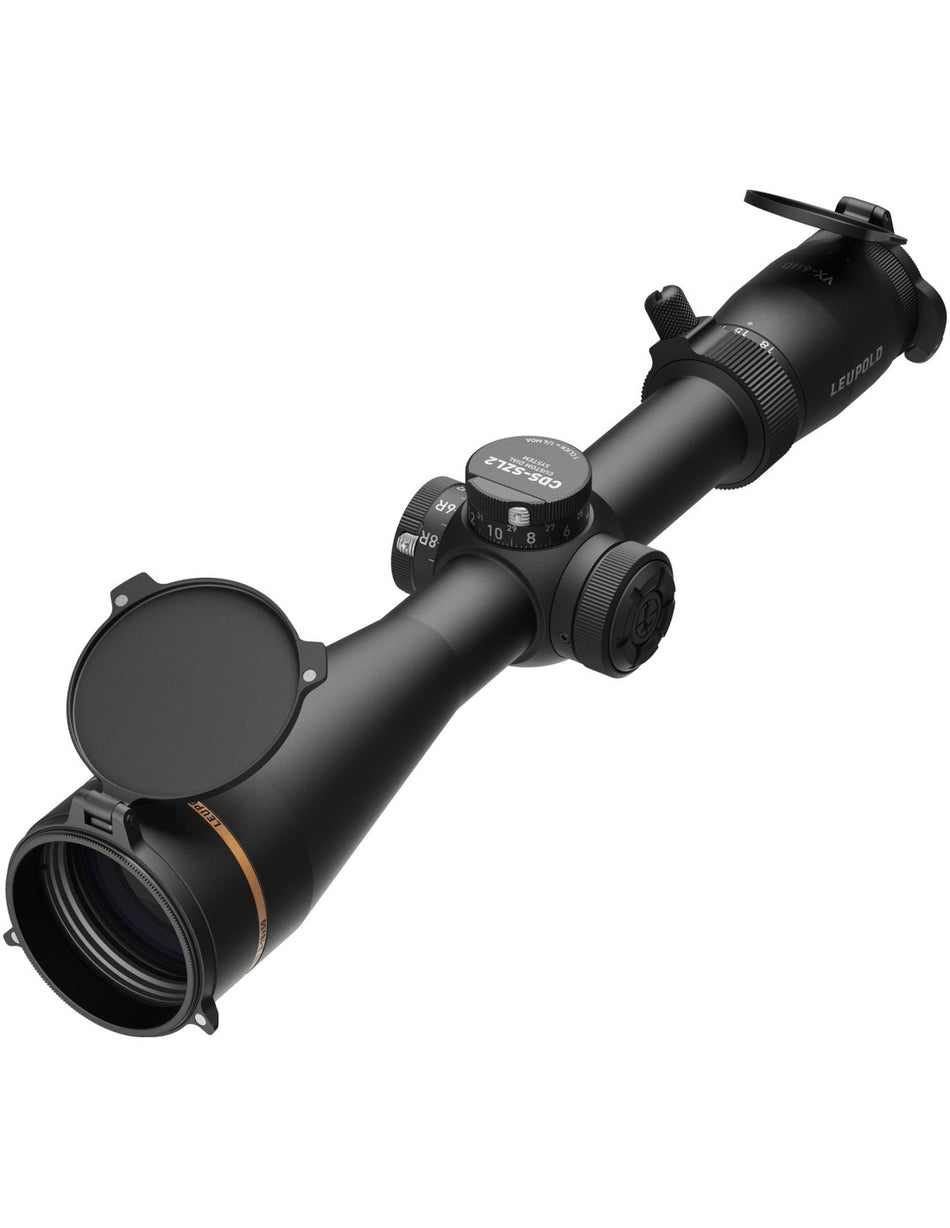
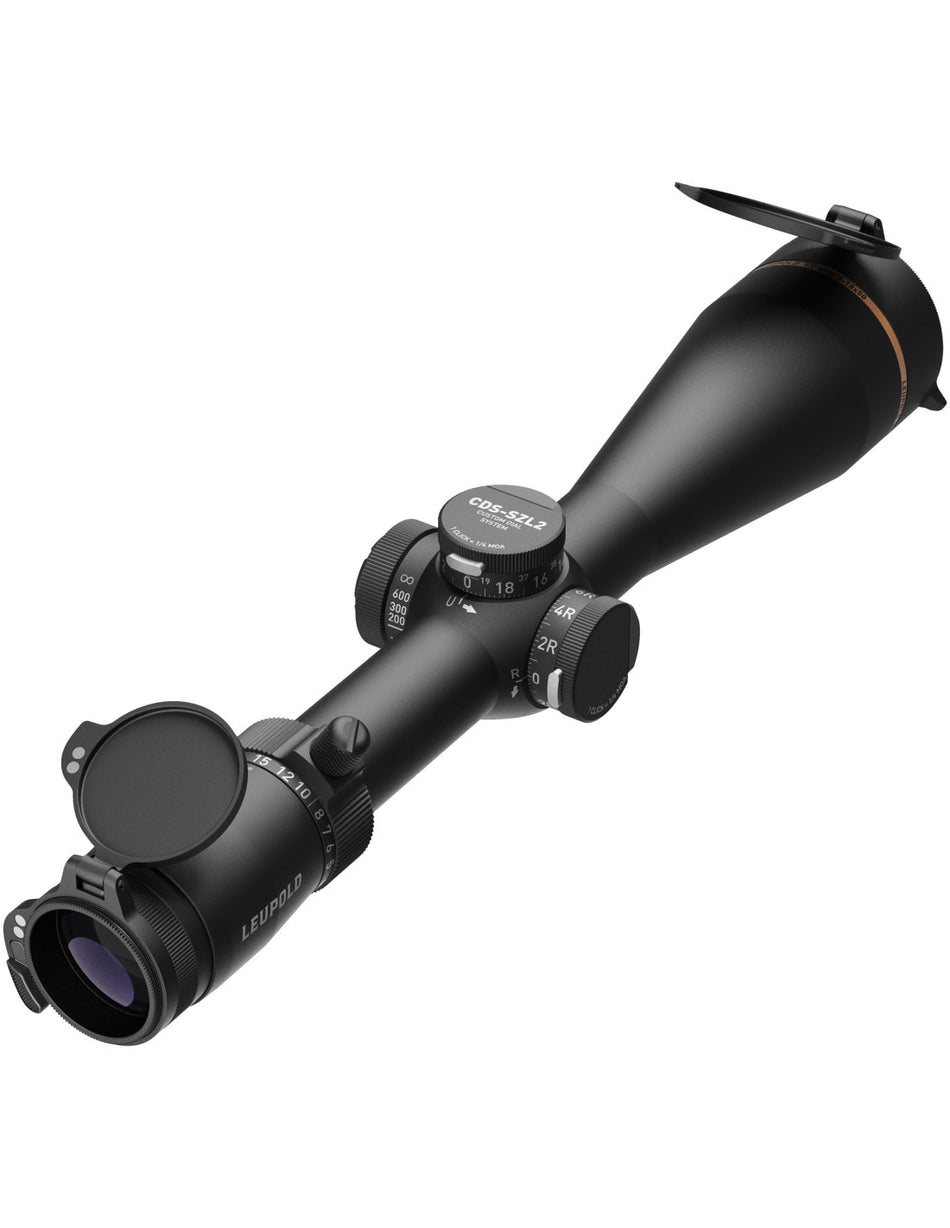


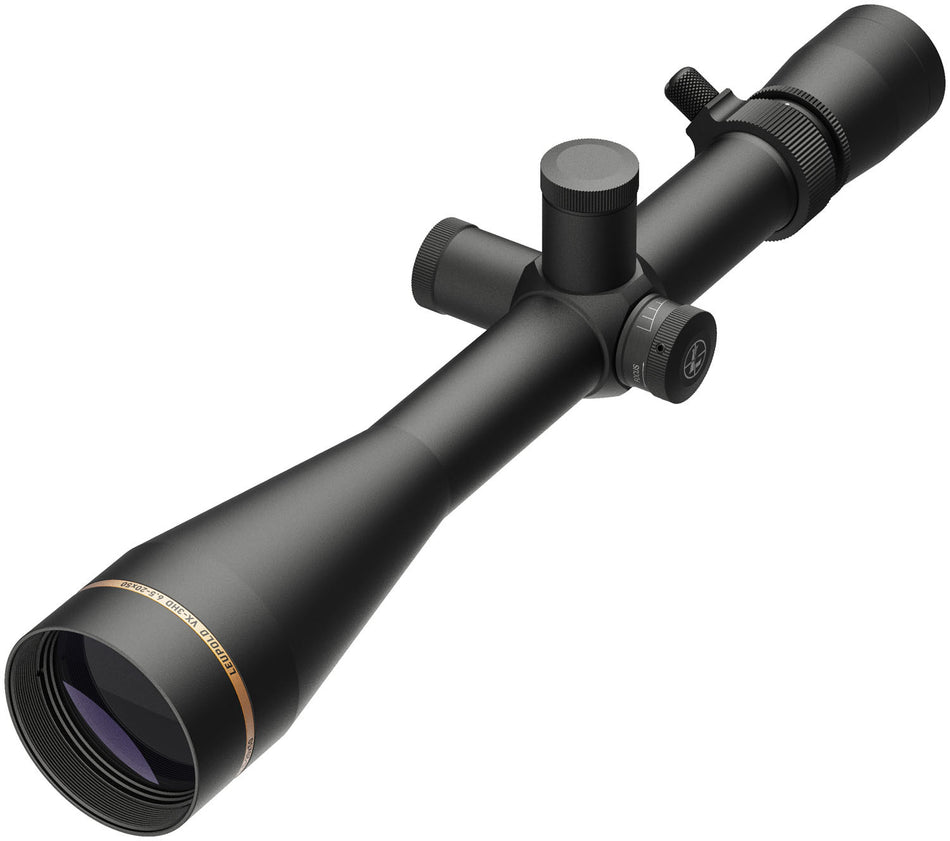
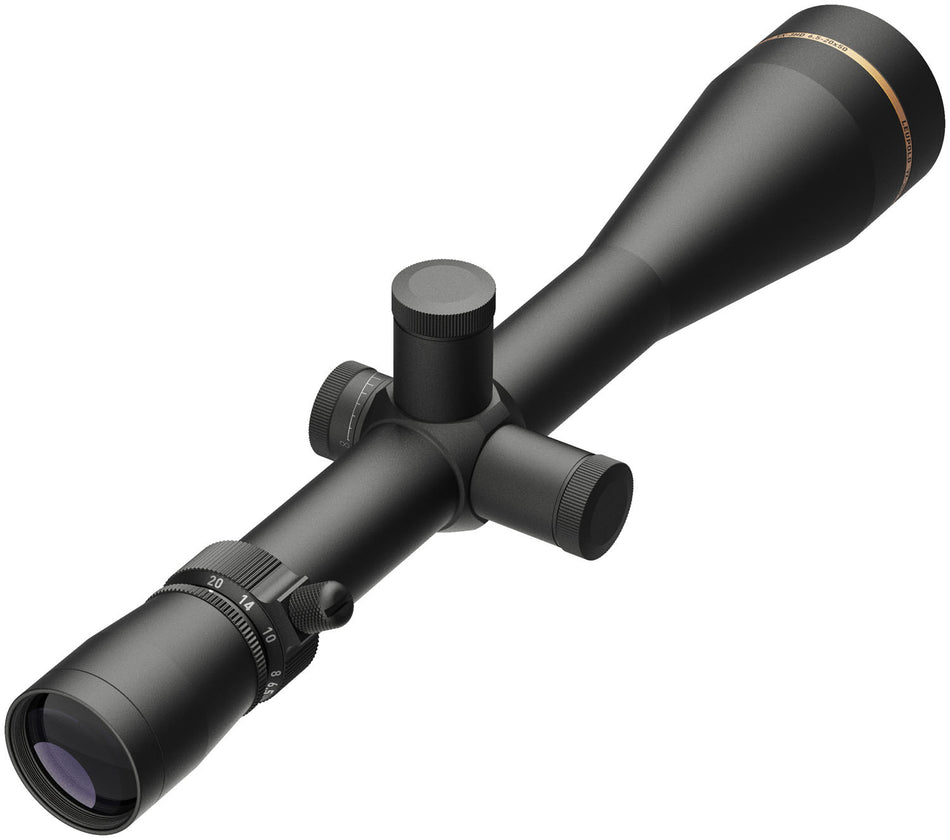
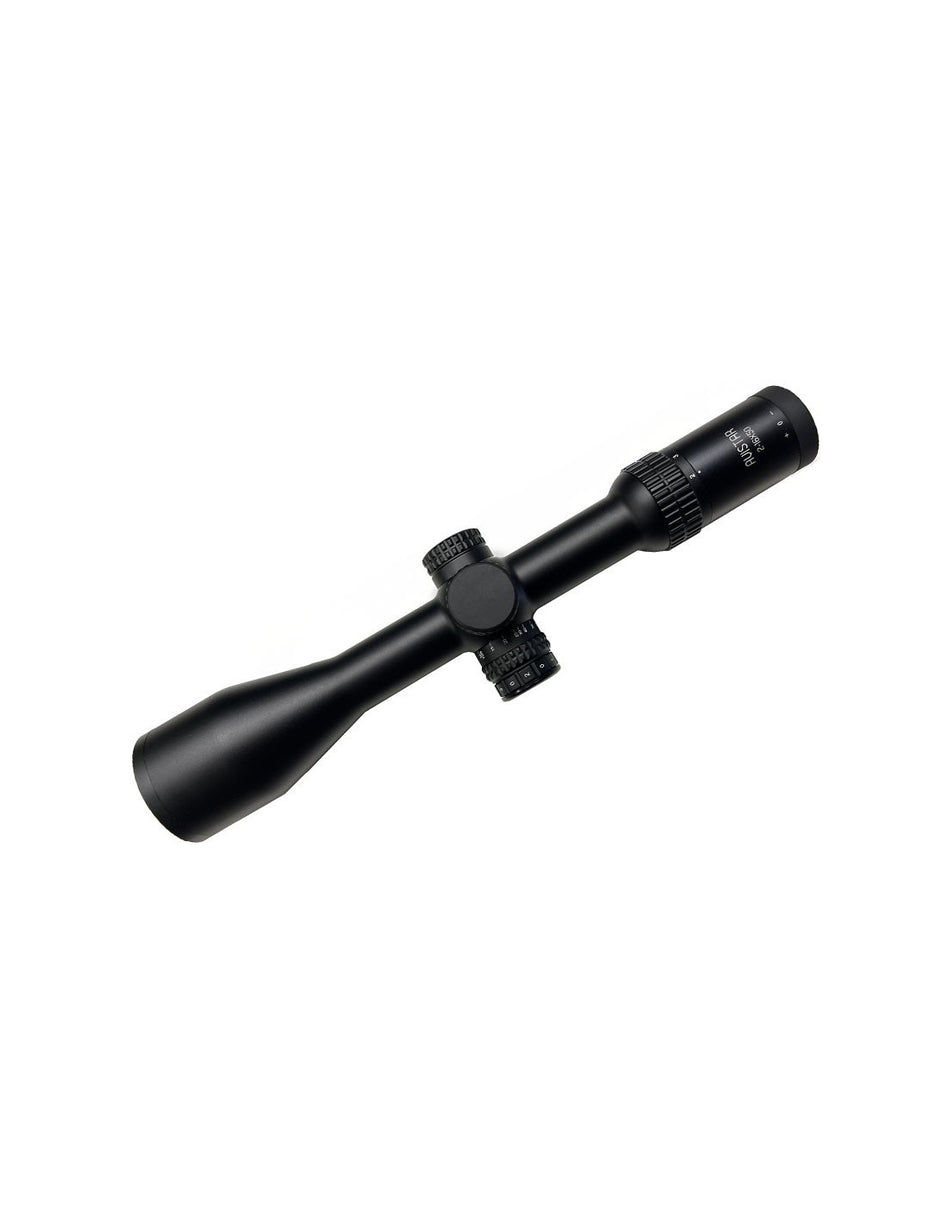
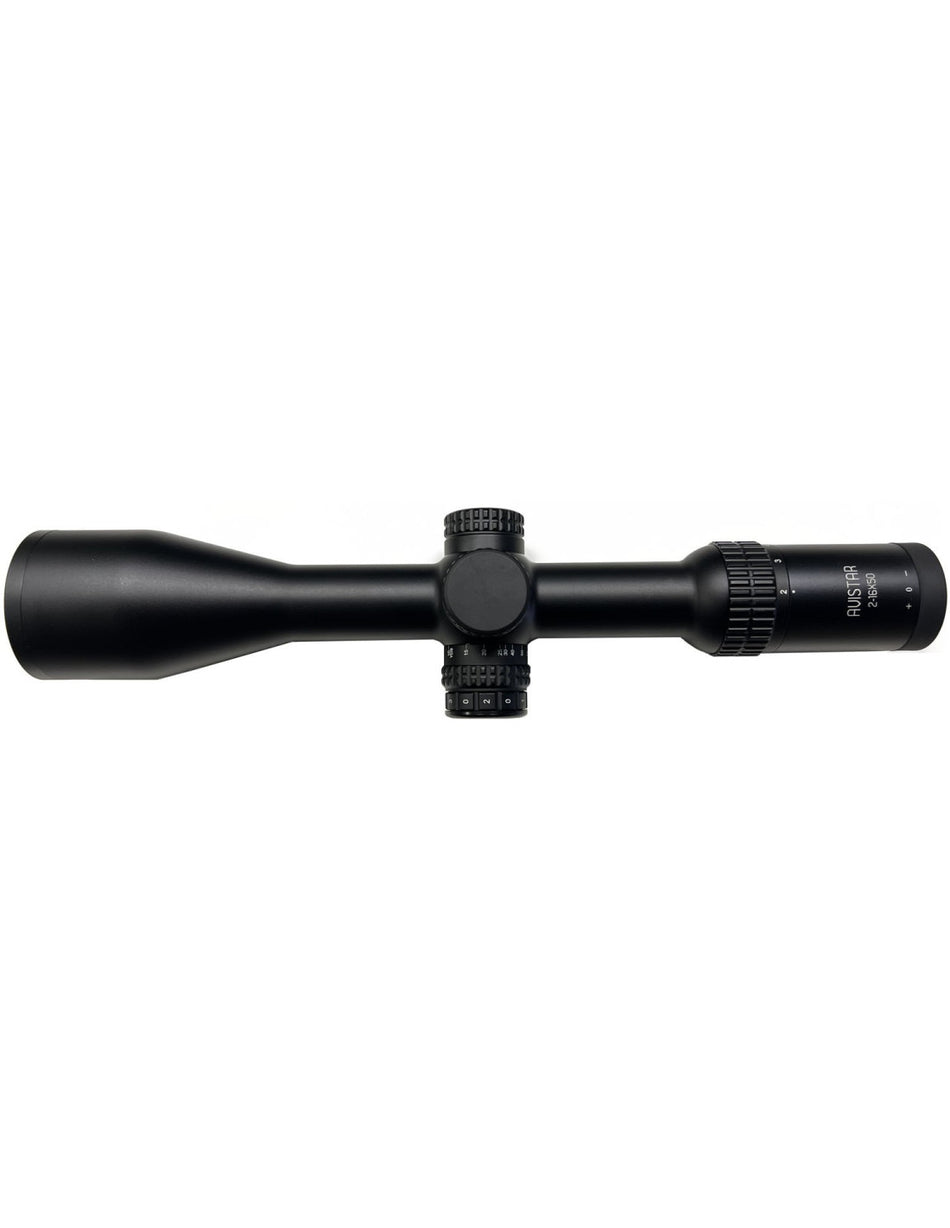
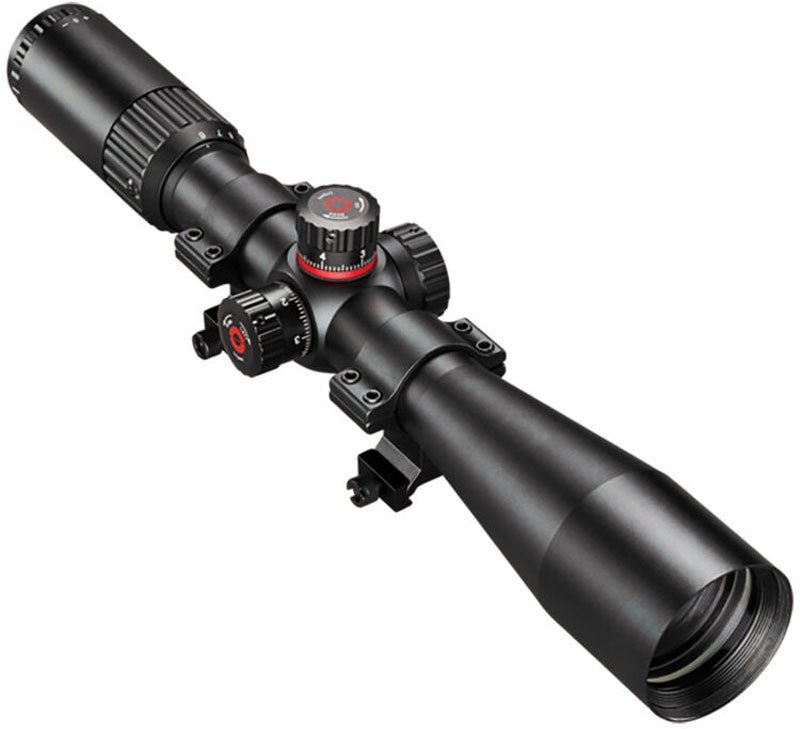
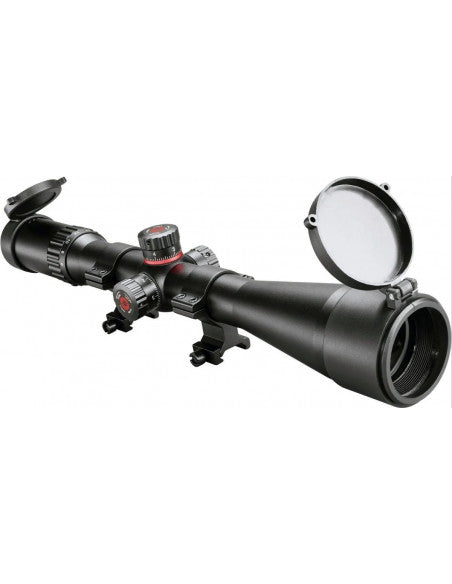
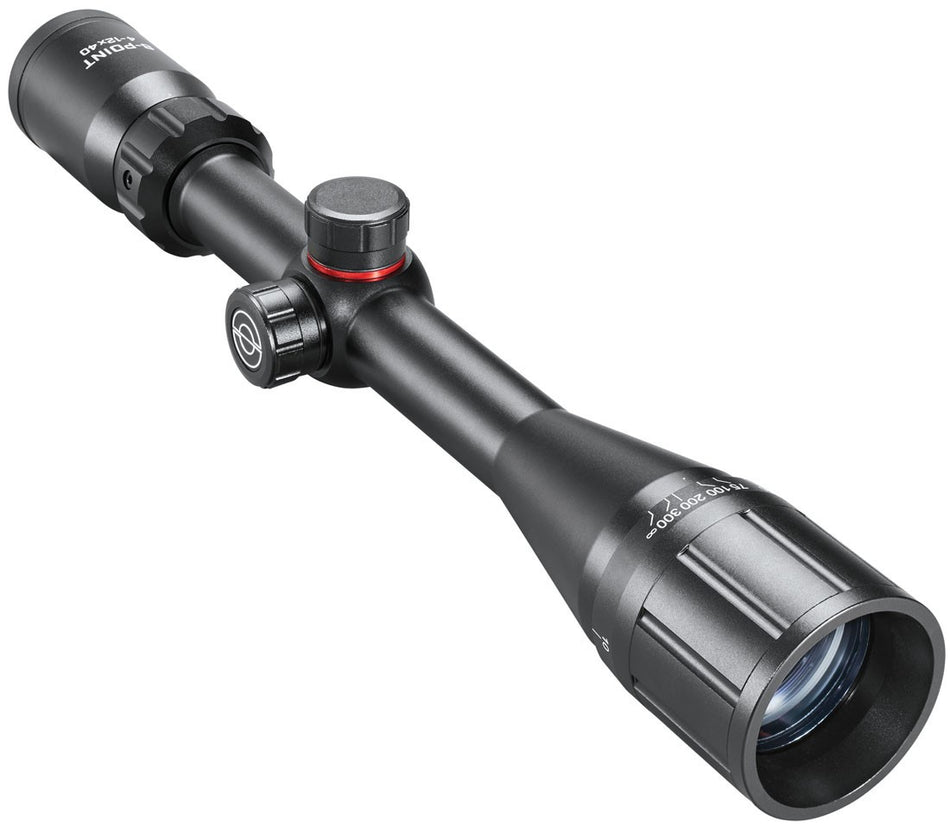
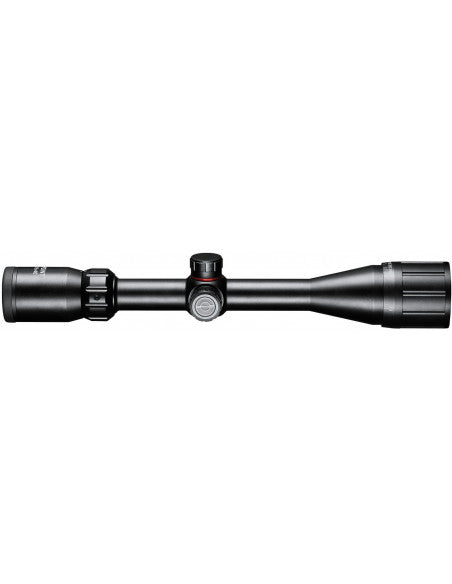
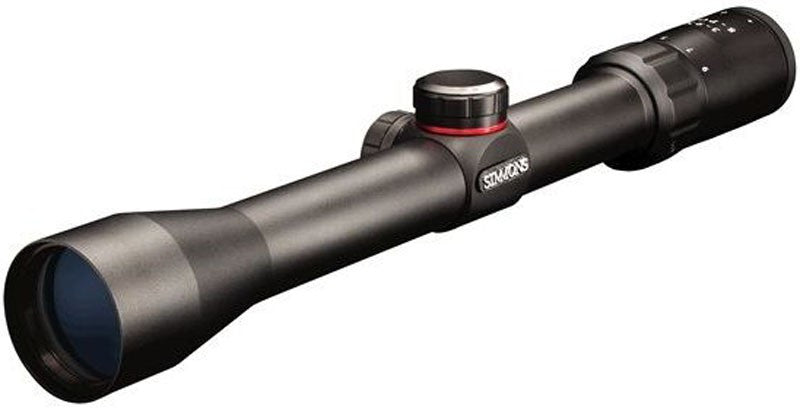
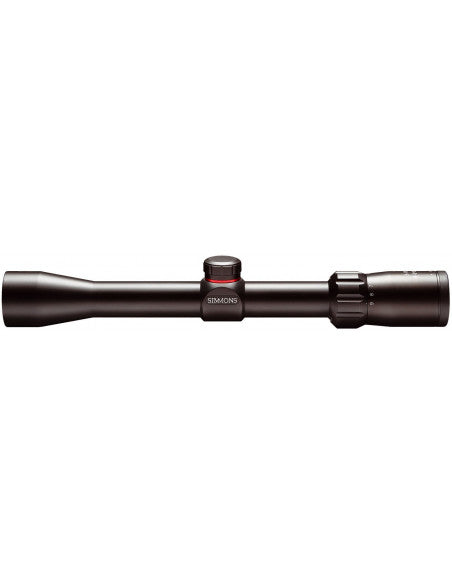
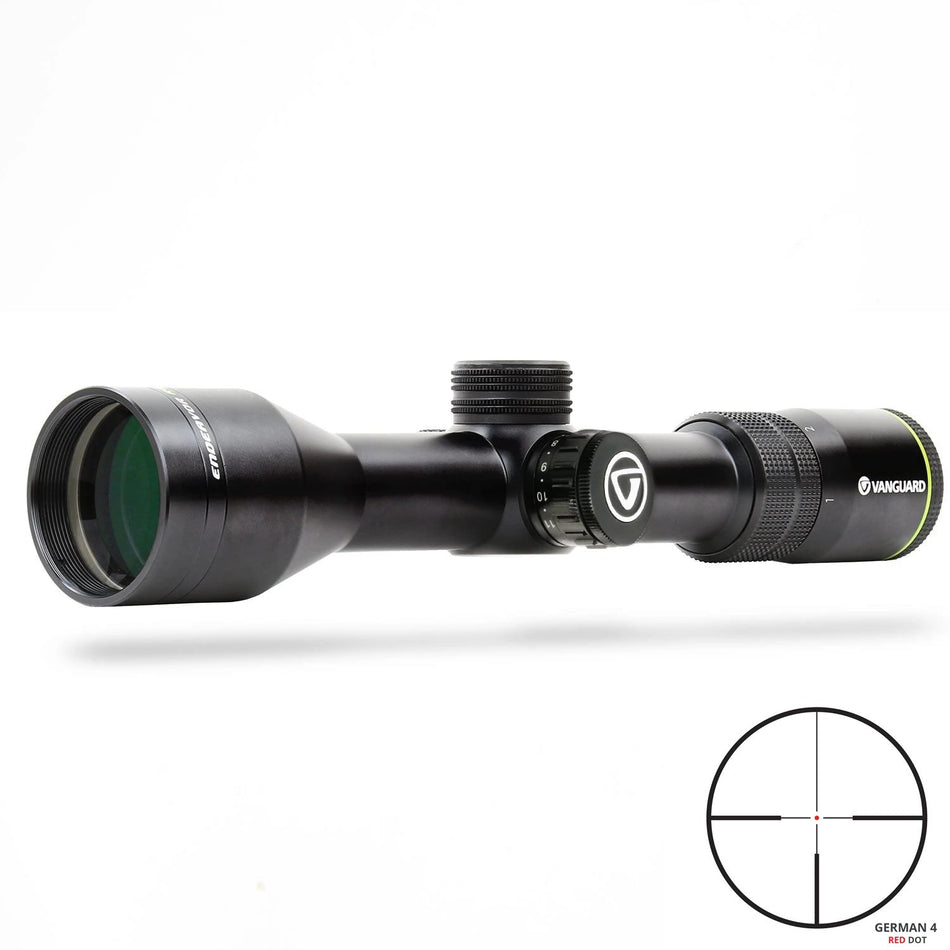
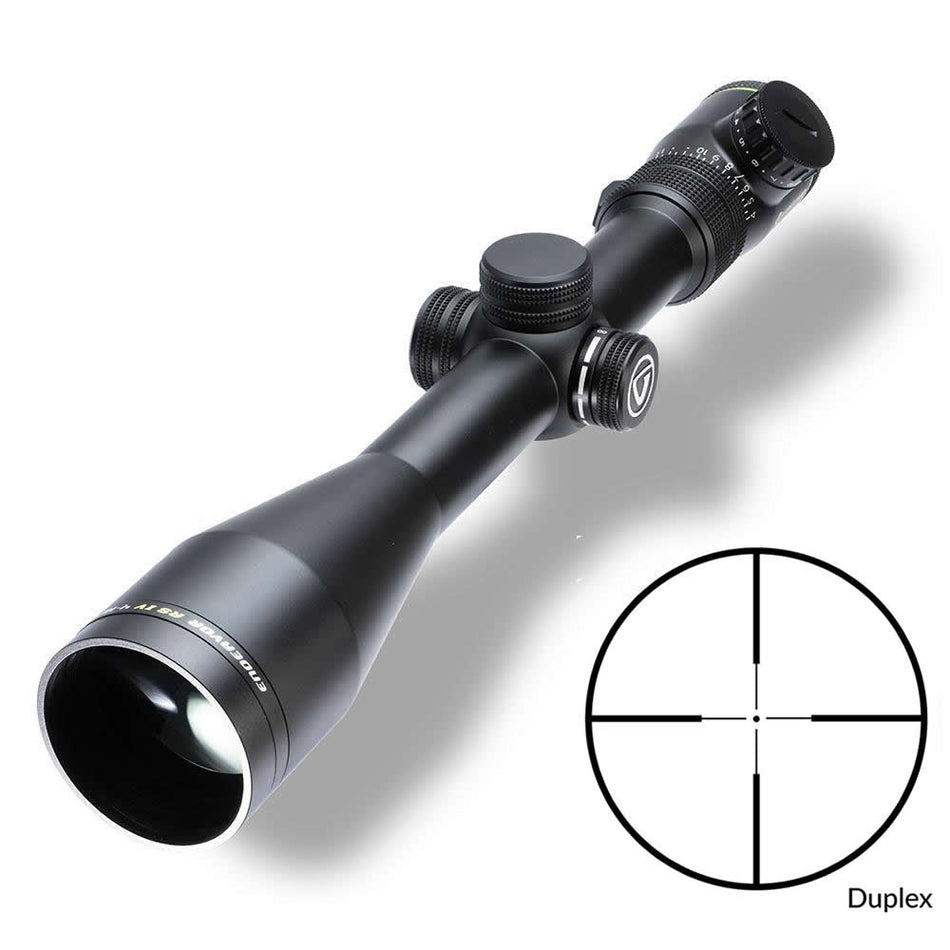
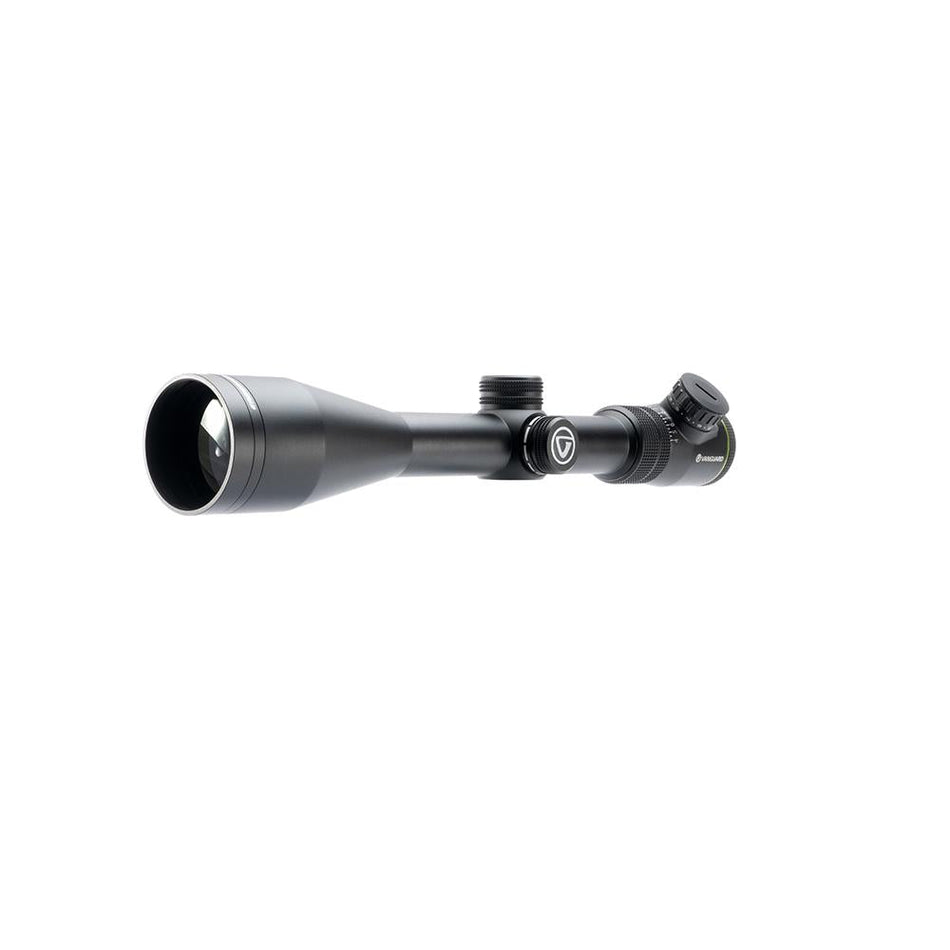
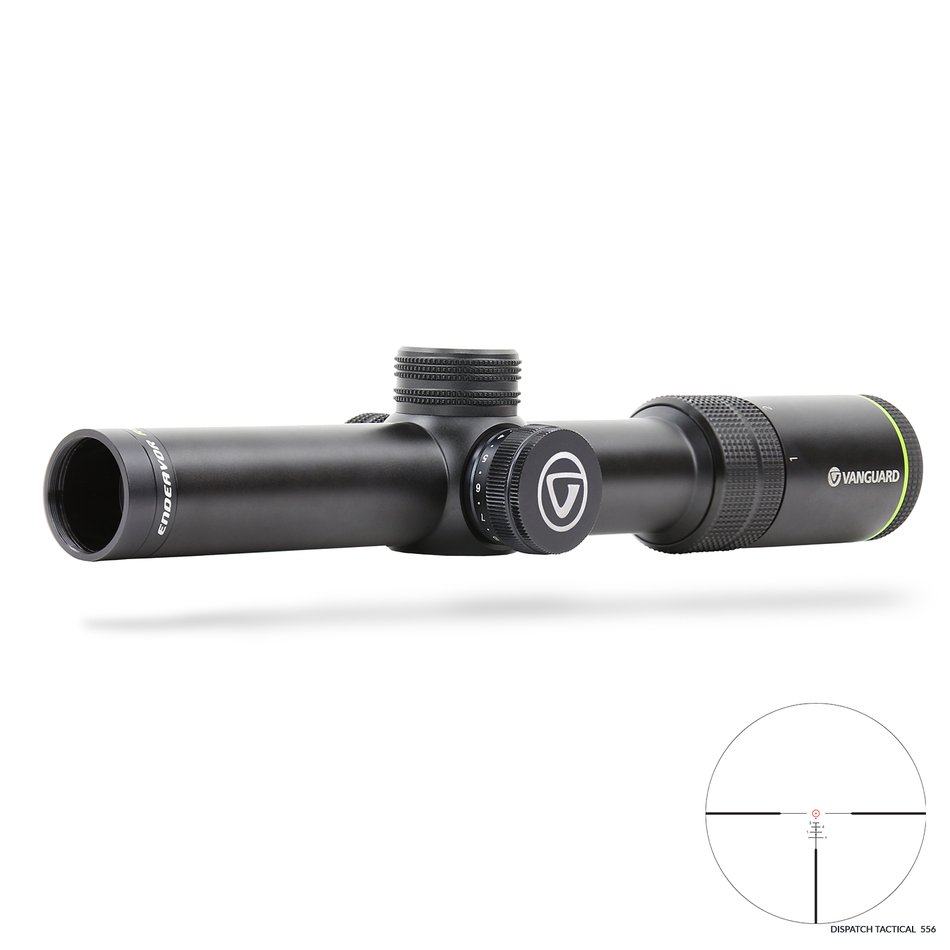
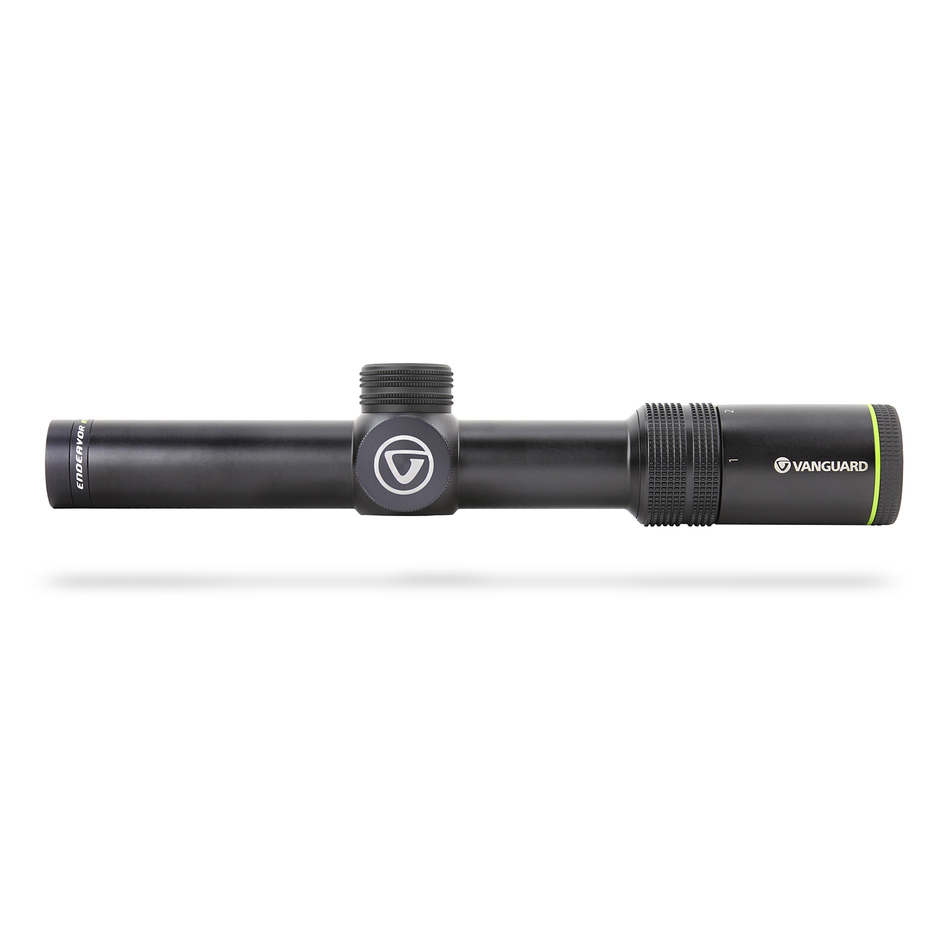
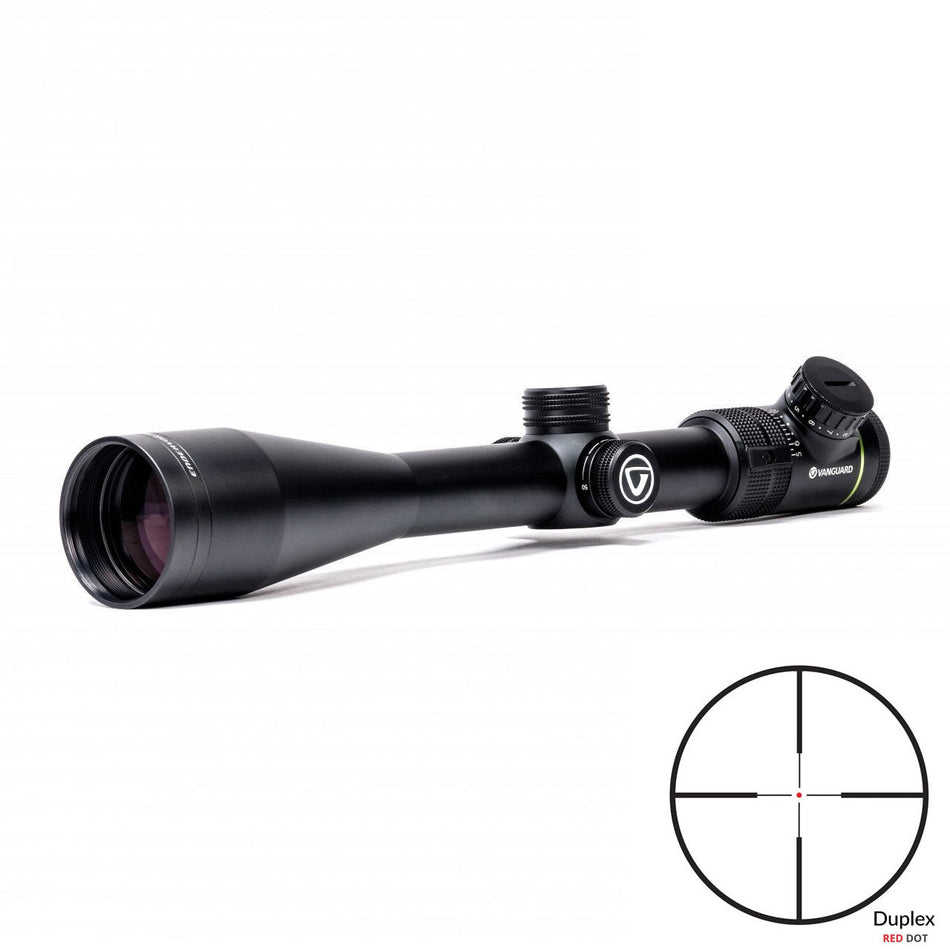
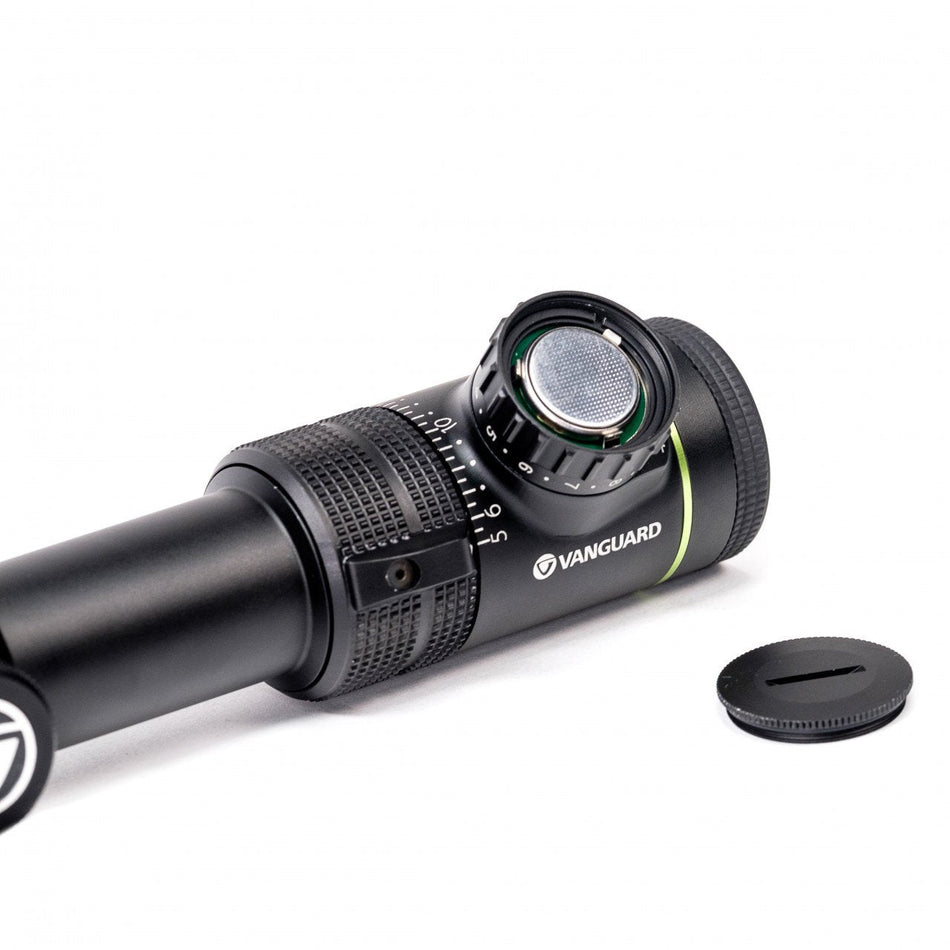
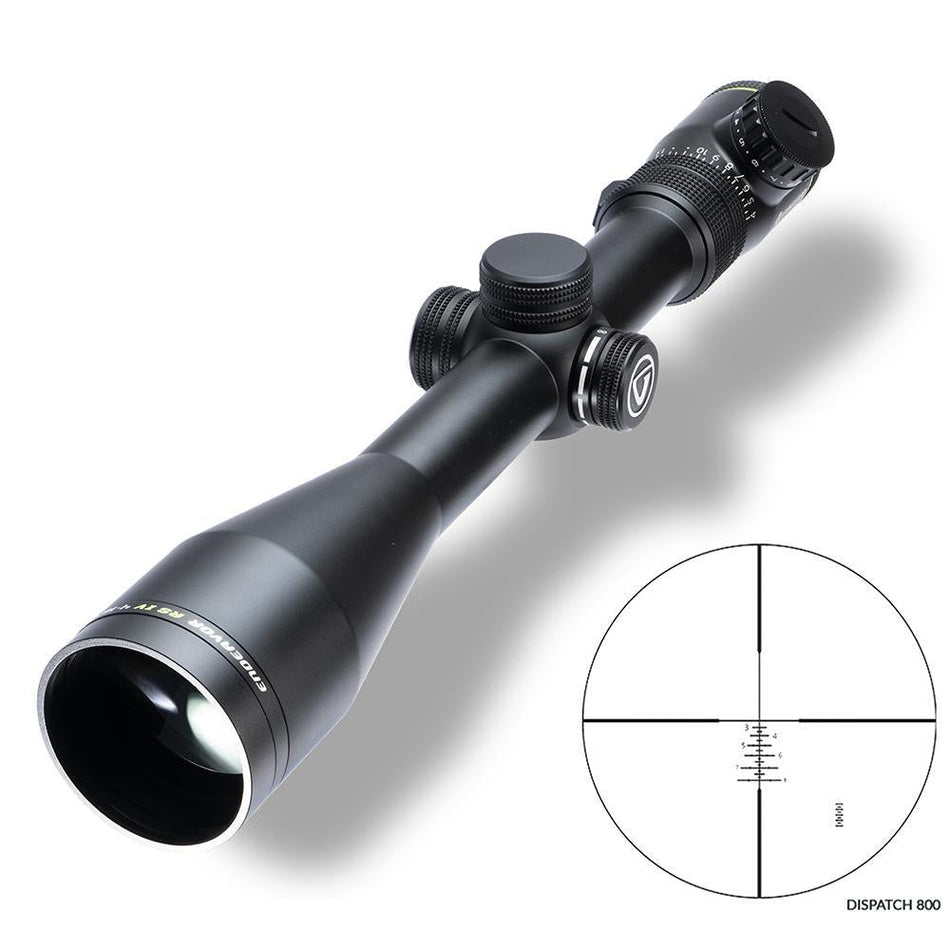
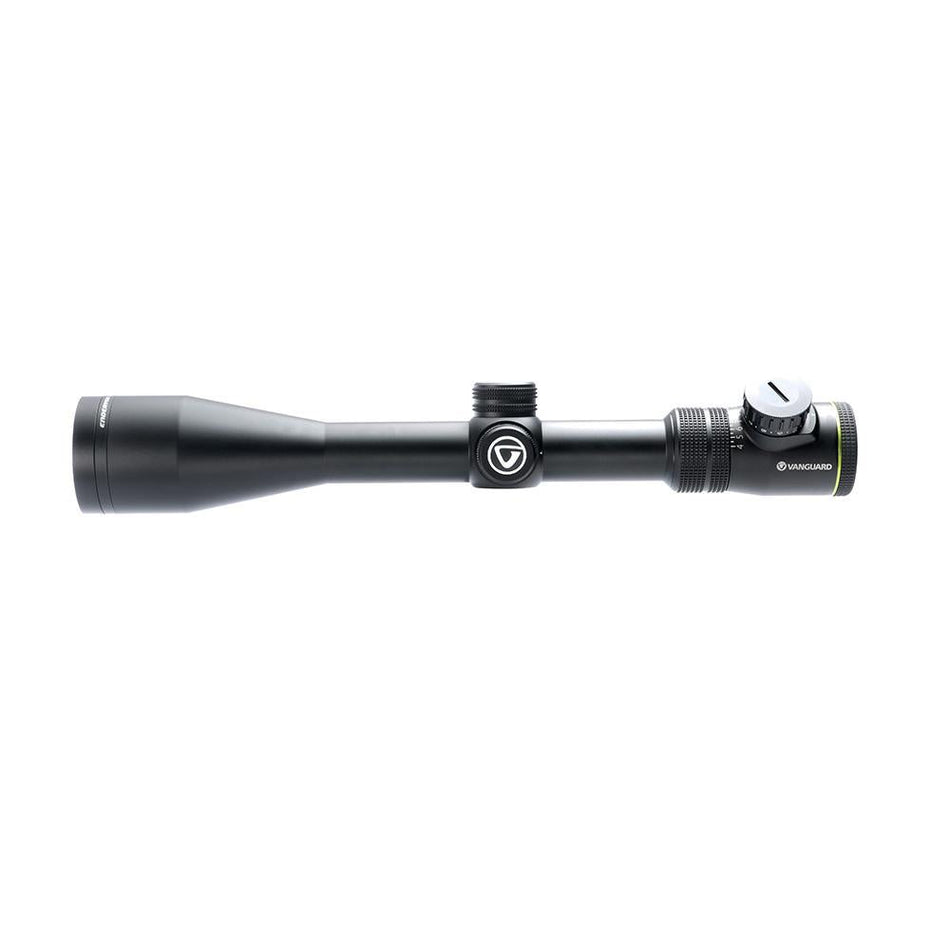
Hunting scopes
How to Choose Your Hunting Scope: Key Factors
To qualify as a scope, the equipment must have a reticle and a windage and elevation adjustment system. But the performance and price differences lie in these points:
1. Magnification and Objective Lens: What Scope Do You Need?
A scope's designation (e.g. "3-12x56") defines its use.
- Magnification (3-12x): This is the zoom range. For short-range shots like driven hunts, low magnification is preferred (e.g. 1-6x). For stalking at long distances, high magnification is needed (e.g. 4-16x or more). Versatile scopes (e.g. 2.5-10x) work for multiple hunting styles.
- Objective lens (x56): This is the diameter of the front lens in millimeters. The larger the objective lens, the more light enters.
2. Lens Quality: The Secret to a Clear Image
The theoretical operation of a scope is simple, but professional quality depends almost entirely on the lenses. Manufacturing, coatings (multicoated, HD, ED), and the composition of the glass determine light transmission and the absence of aberrations. A quality lens will give you a sharp, bright image with true-to-life colors.
3. Twilight Performance: The Importance of Light
A scope's ability to deliver a good image in low light (at dawn or dusk) is crucial. This depends on three factors: a large objective lens, lens quality (HD or ED), and using the optimal magnification (not always the maximum).
4. "Click" Reliability: The Key to Precision
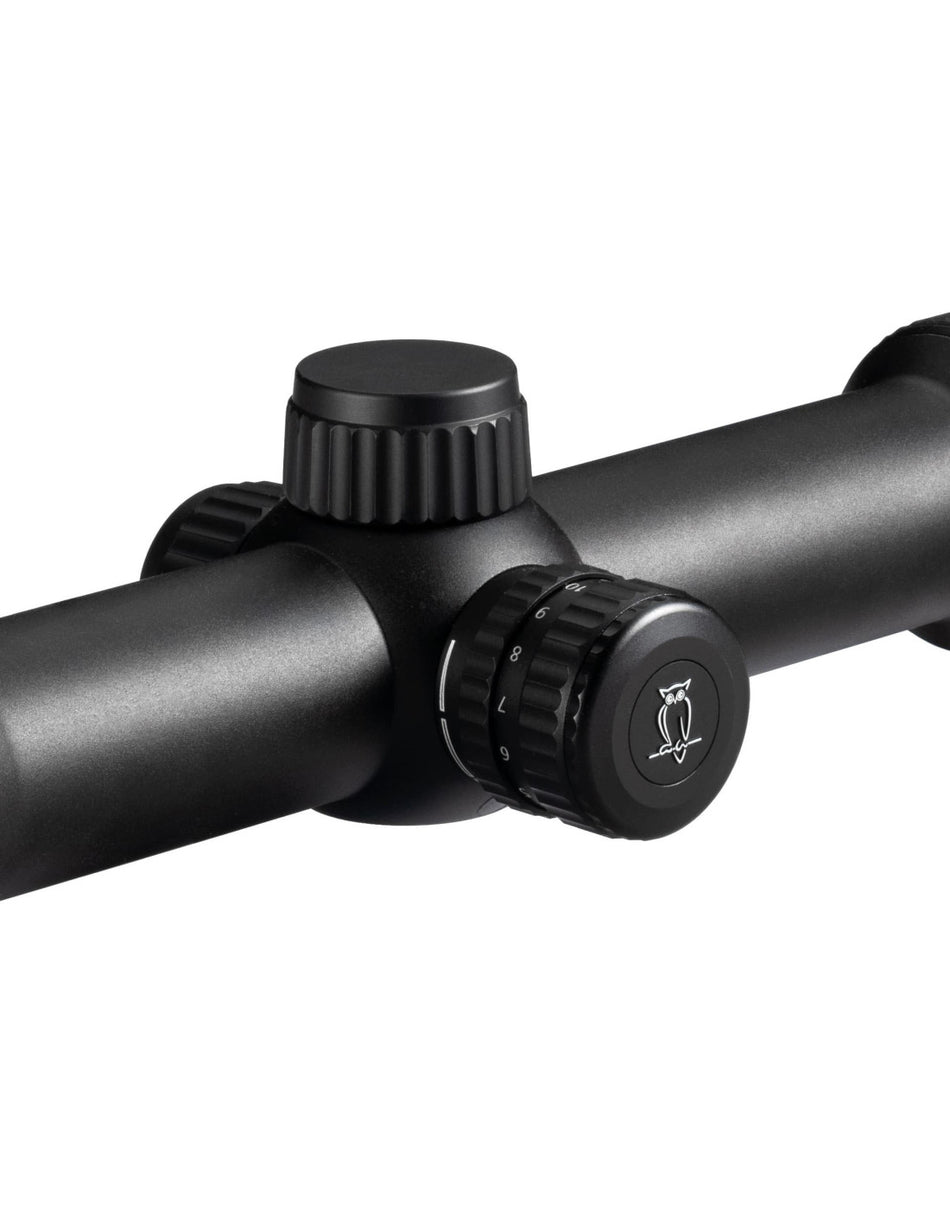
A scope must be reliable. The adjustment system (turrets) must have precise and repeatable "clicks". It is essential that, if you correct elevation or windage, the scope responds perfectly and maintains zero shot after shot.
Your ideal hunting scope is here
At Night Vision and Thermal, we have selected only the scopes that meet the highest standards of reliability and optical quality. Browse our catalog and find the equipment that will take your precision to the next level. If you have any questions, our team of experts is ready to advise you.
Frequently Asked Questions (FAQ) about hunting scopes
What do the numbers on a scope, like "3-12x56", mean?
It means the scope has a variable magnification range from 3x (three times closer) to 12x (twelve times closer). The "56" refers to the diameter of the objective lens (the objective) in millimeters, indicating its great light-gathering capability.
Which is better, a First Focal Plane (FFP) or Second Focal Plane (SFP) scope?
SFP (Second Focal Plane) is the most common in hunting. The reticle stays the same size regardless of magnification, making it easy to see. FFP (First Focal Plane) is for precision shooting: the reticle changes size with magnification, allowing you to use the reticle markings to calculate drop and distance at any zoom level.
What is parallax correction?
It is a third adjustment (usually a side turret) that focuses the image of the target at the same distance as the reticle. It is essential in high-magnification scopes (more than 10x-12x) to ensure maximum precision, as it eliminates the error of the reticle appearing to move over the target if you are not looking perfectly centered.